- Views 0
- Likes 0
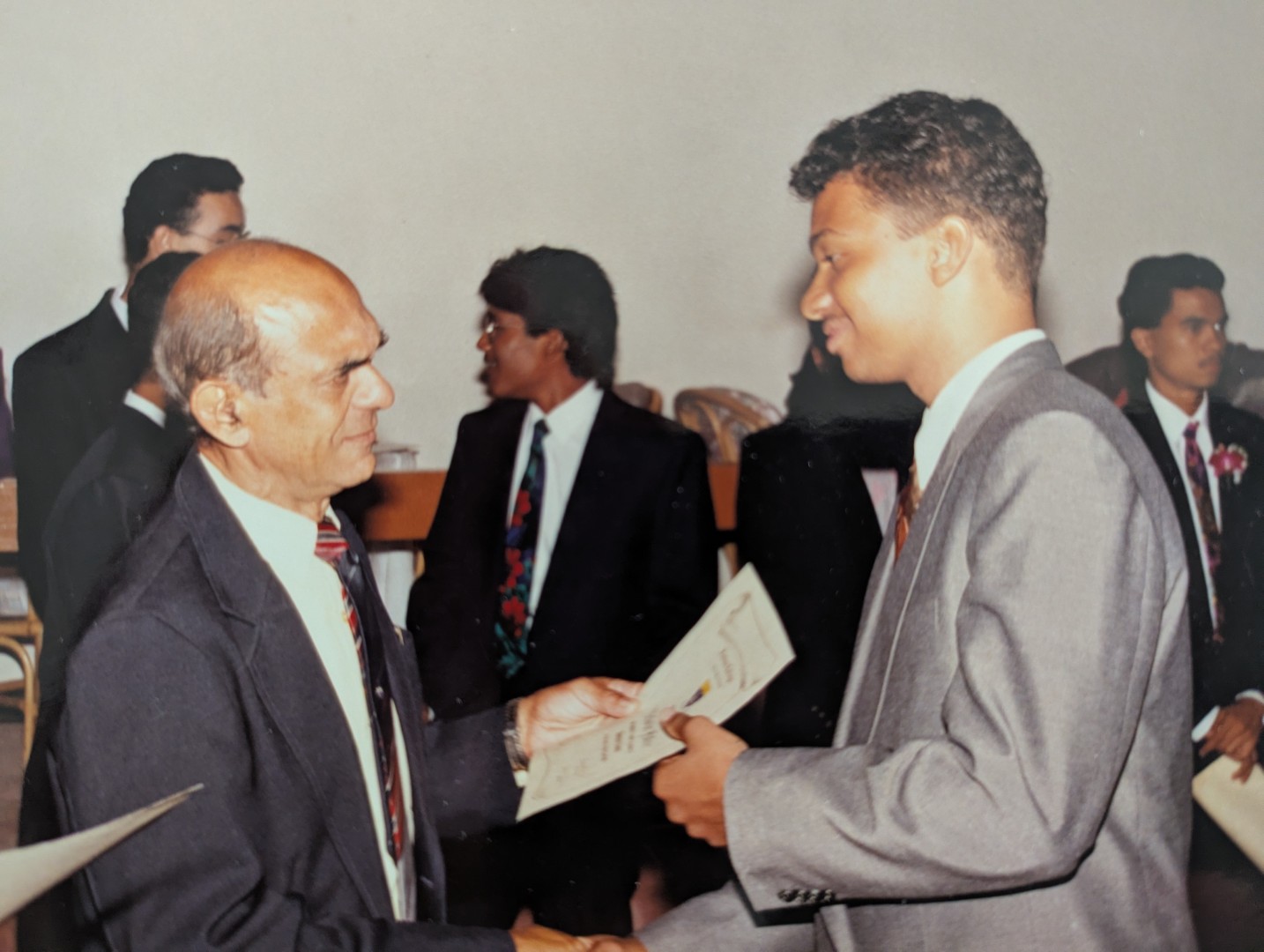
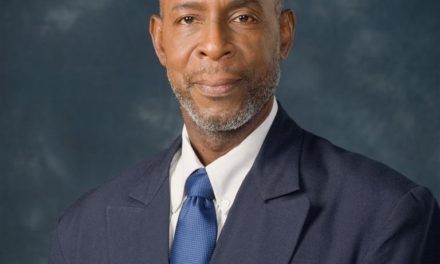
Receiving Award Certification from Fatima College Principal, Mervyn Moore at Fatima College Graduation (1992)
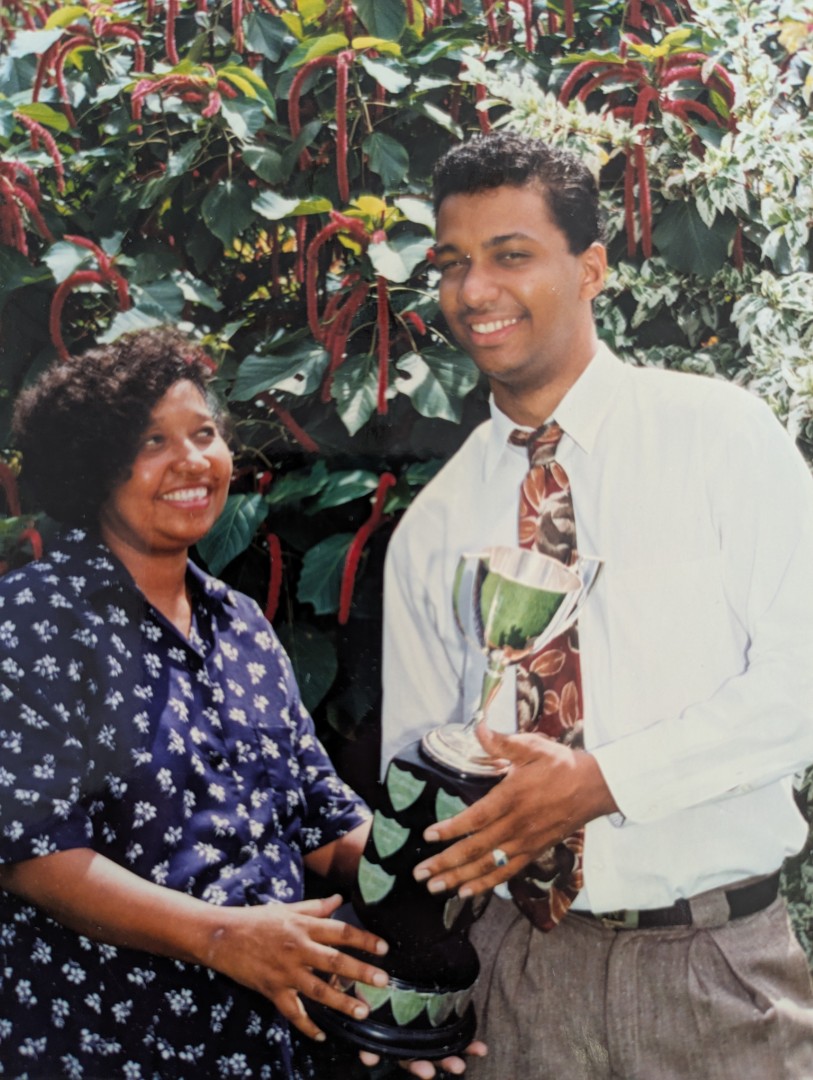
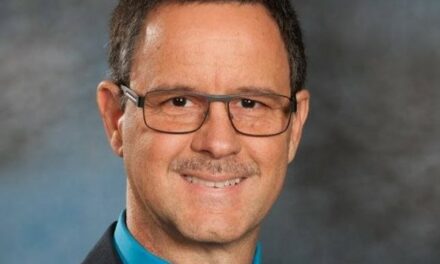
With mother and Principal’s Cup at Fatima College Graduation (1992)
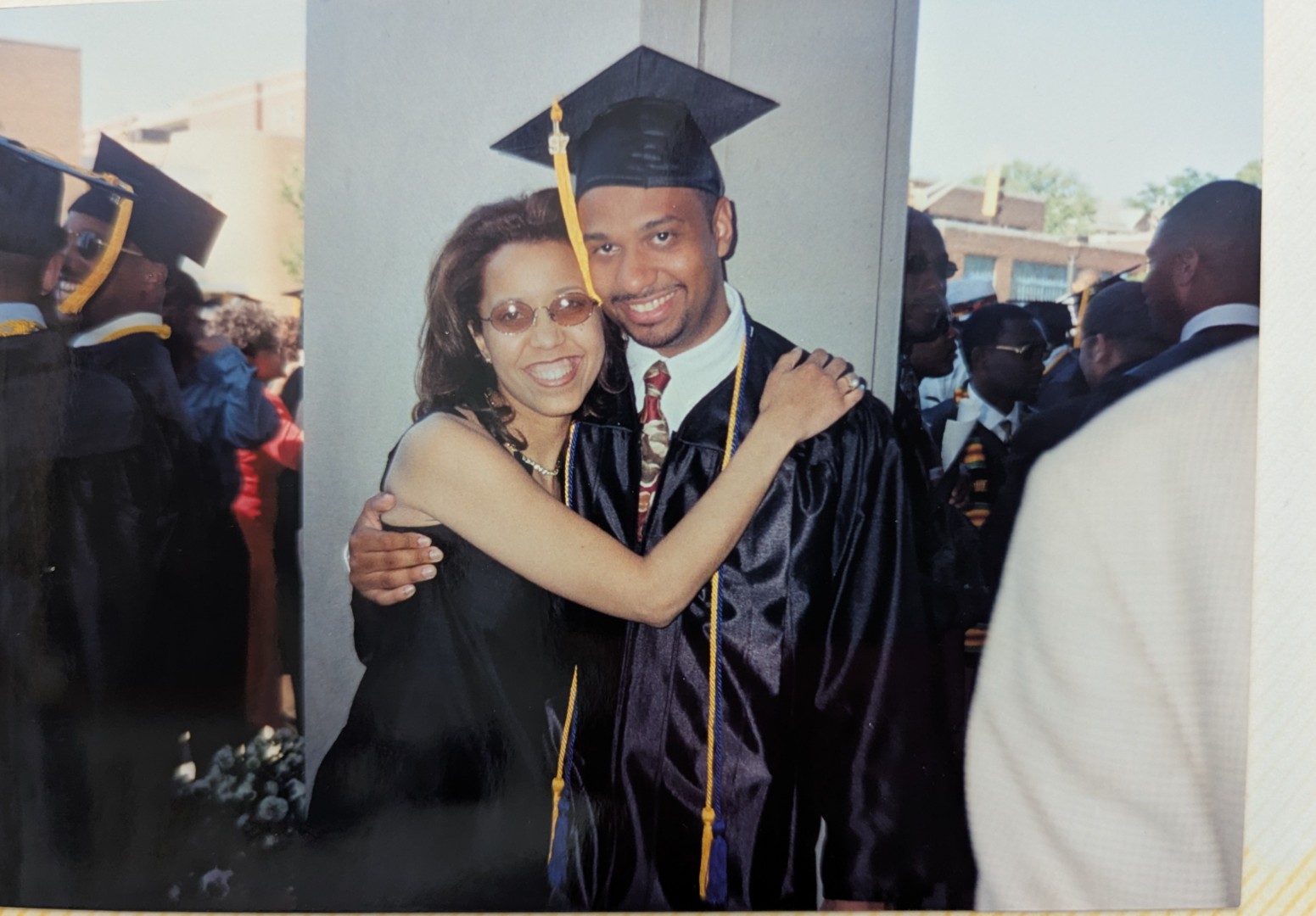
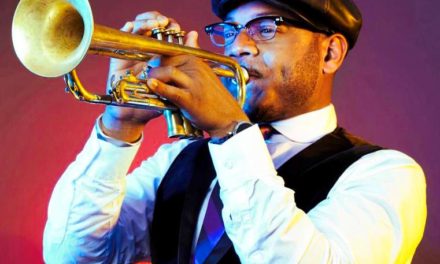
With sister Nicole at Morehouse College Graduation (1997)
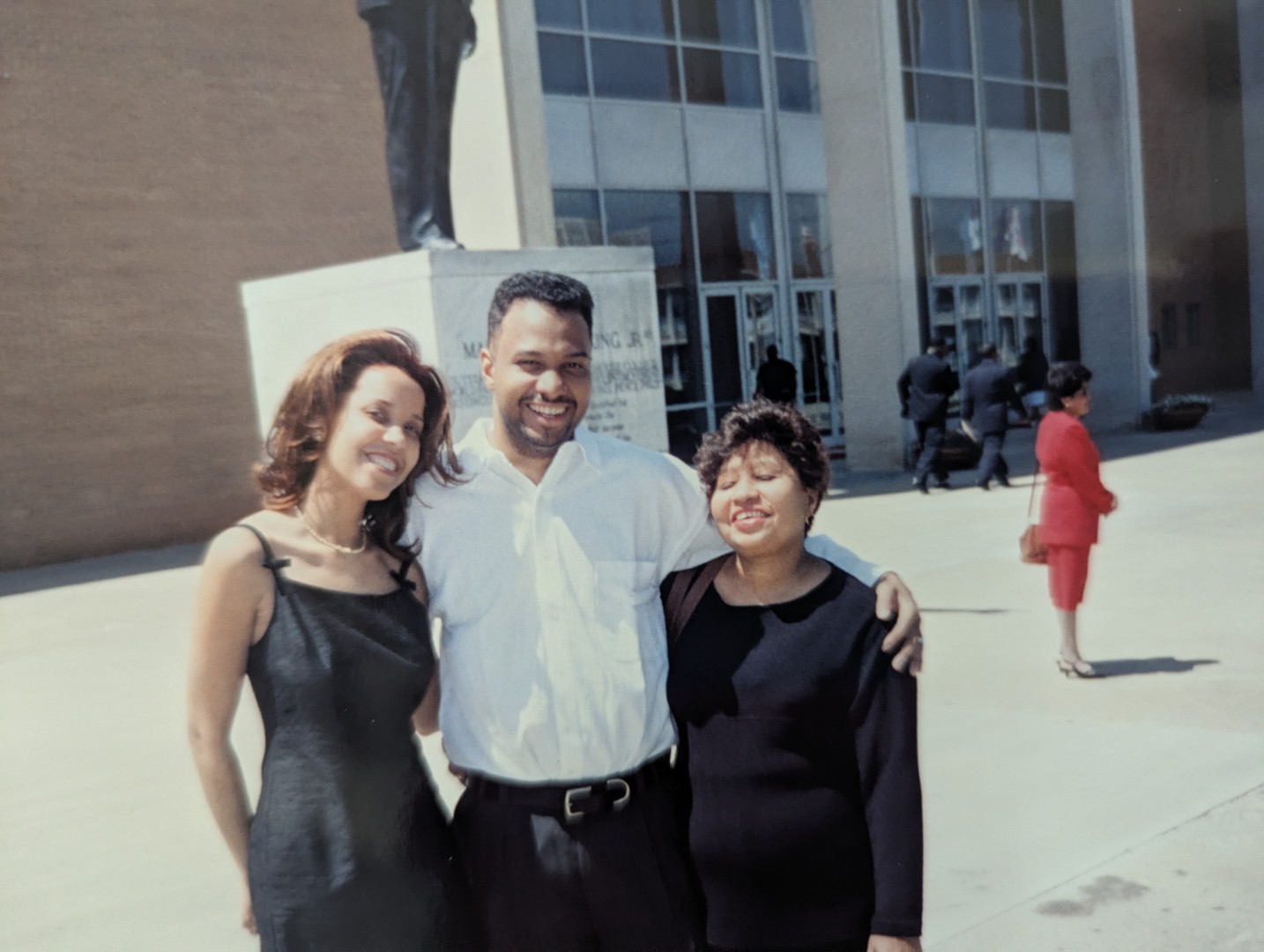
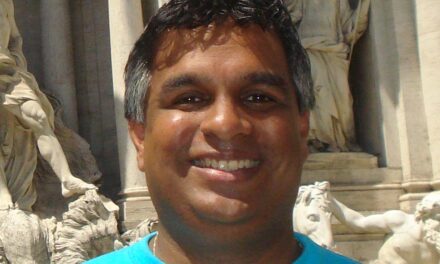
With sister Nicole and mother at Morehouse College Graduation (1997)
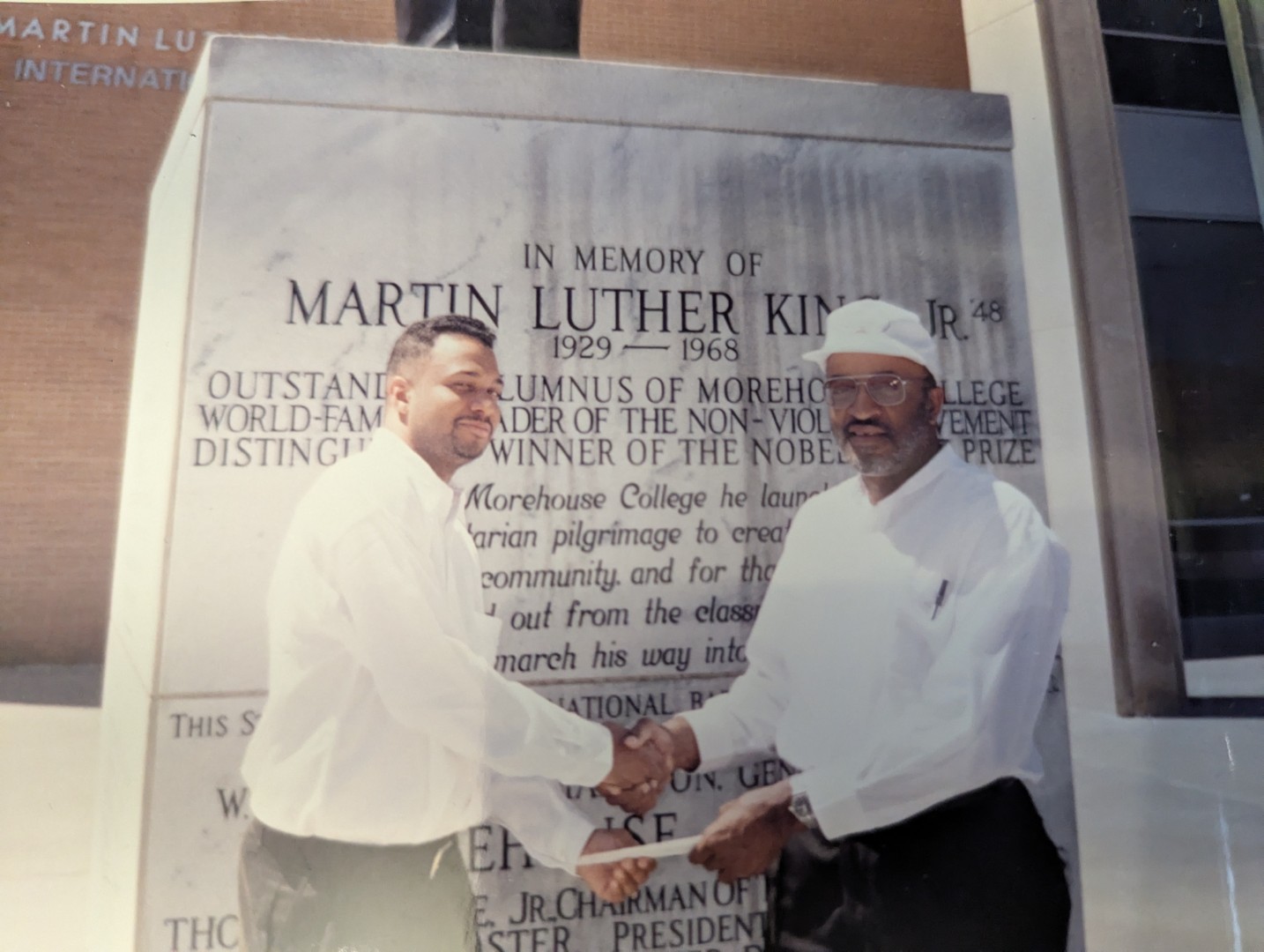
Receiving IBM Engineering Award at Morehouse College Graduation (1997)
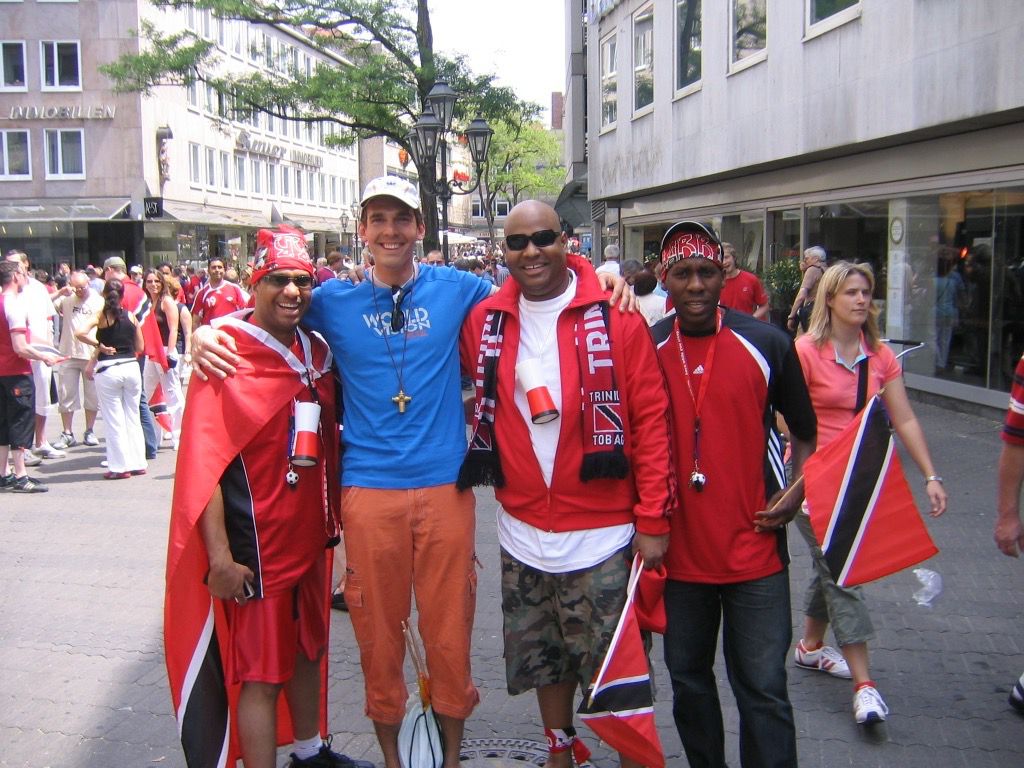
With friends at World Cup Germany (2006)
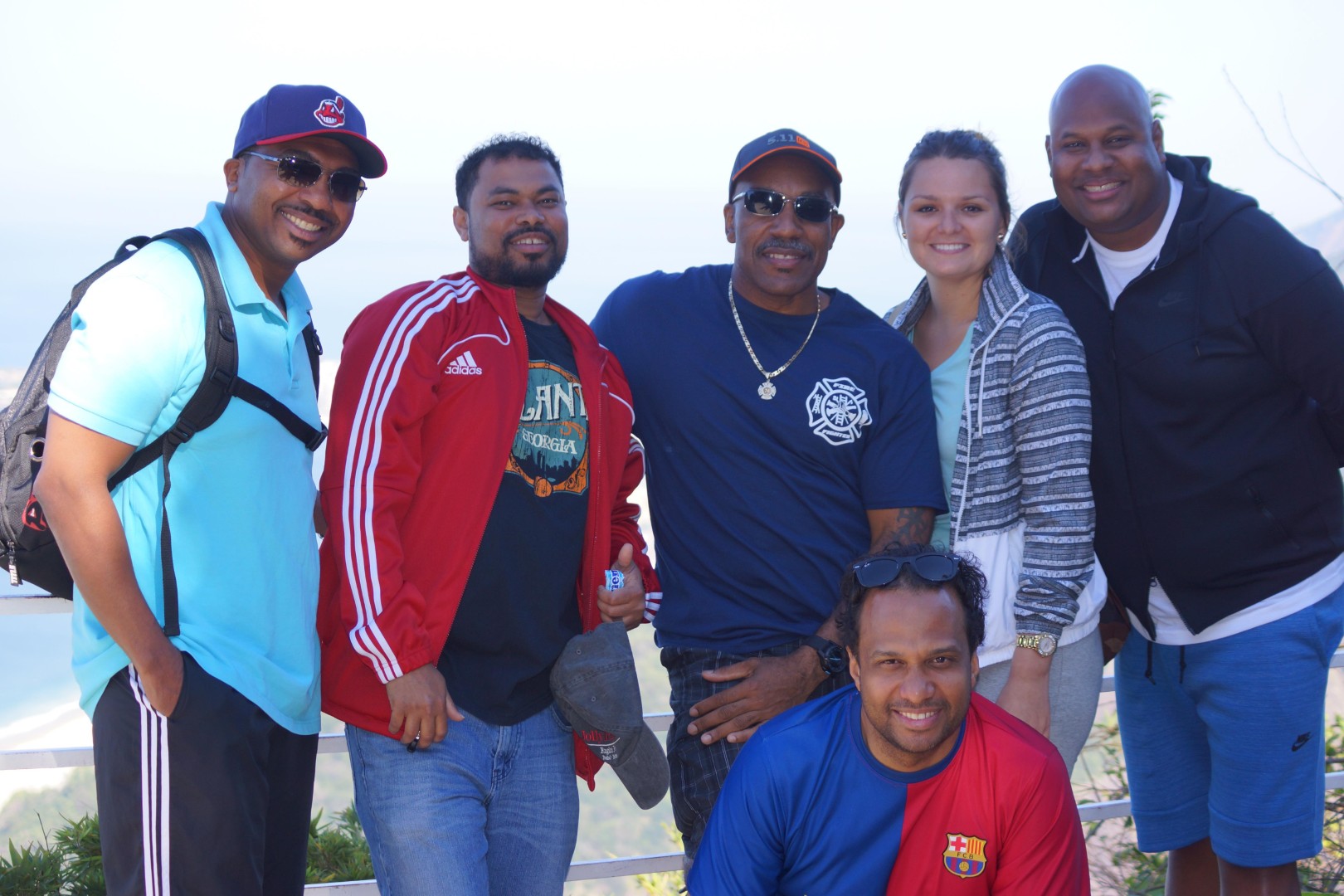
With friends at World Cup in Brazil (2014)
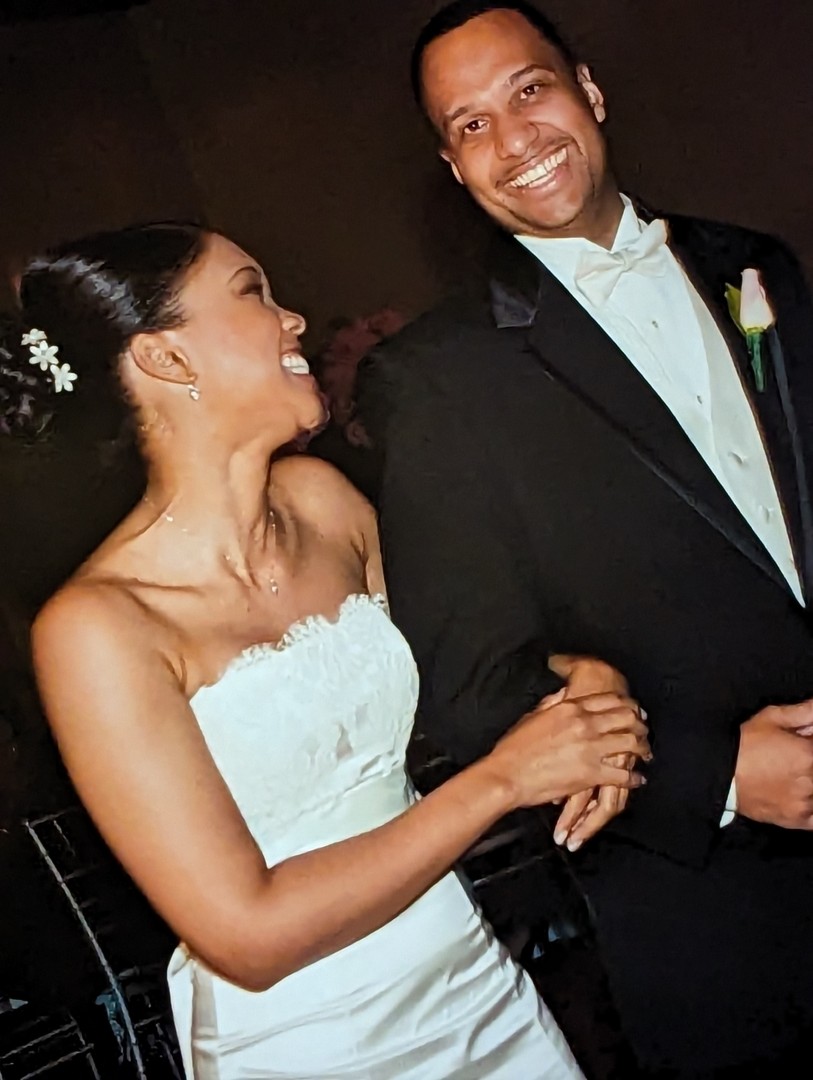
Marriage to Roxene (2008)
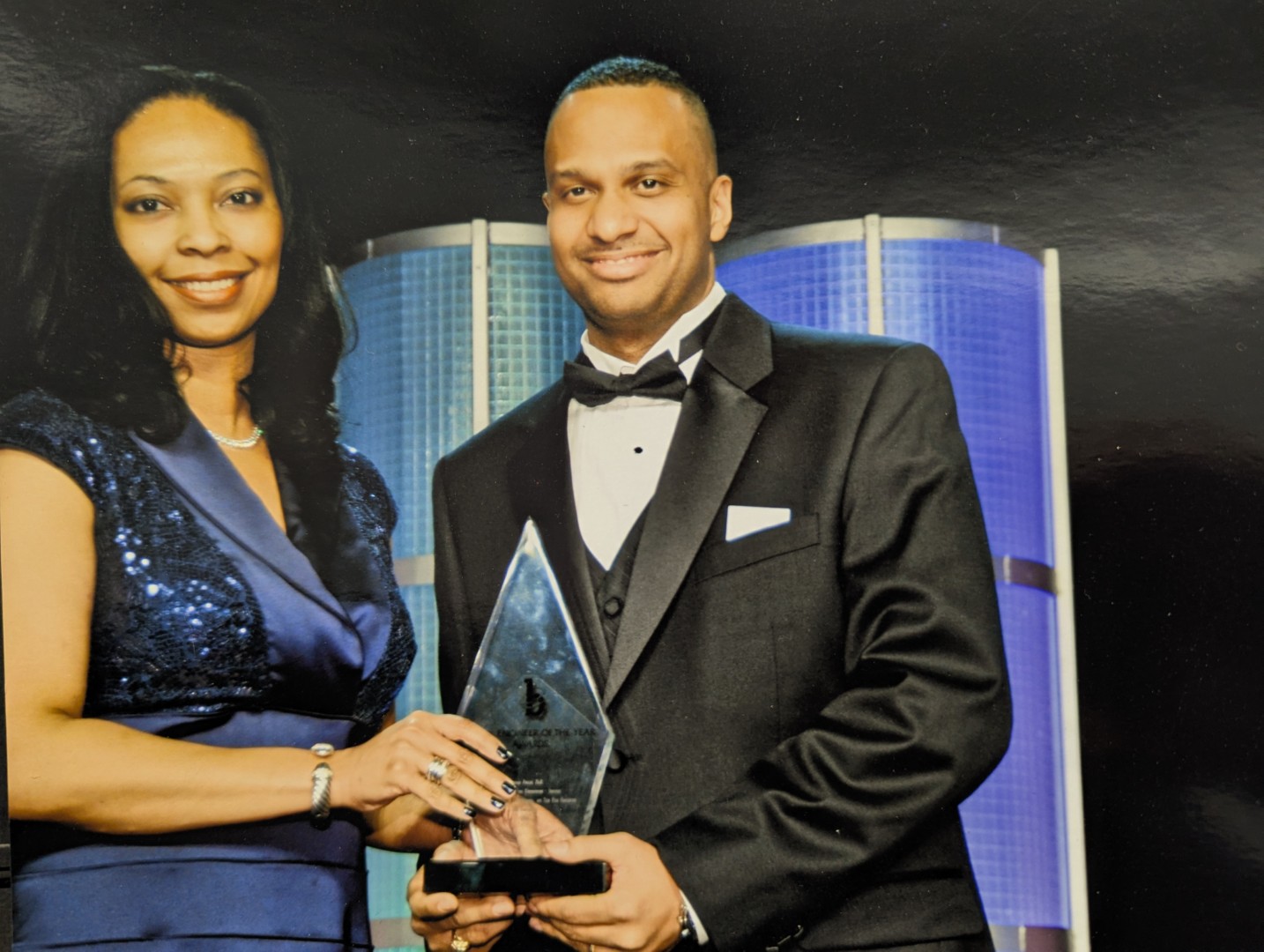
Receiving the 2010 U.S. Career Communications Group BEYA Award for Outstanding Tech Contribution, Industry
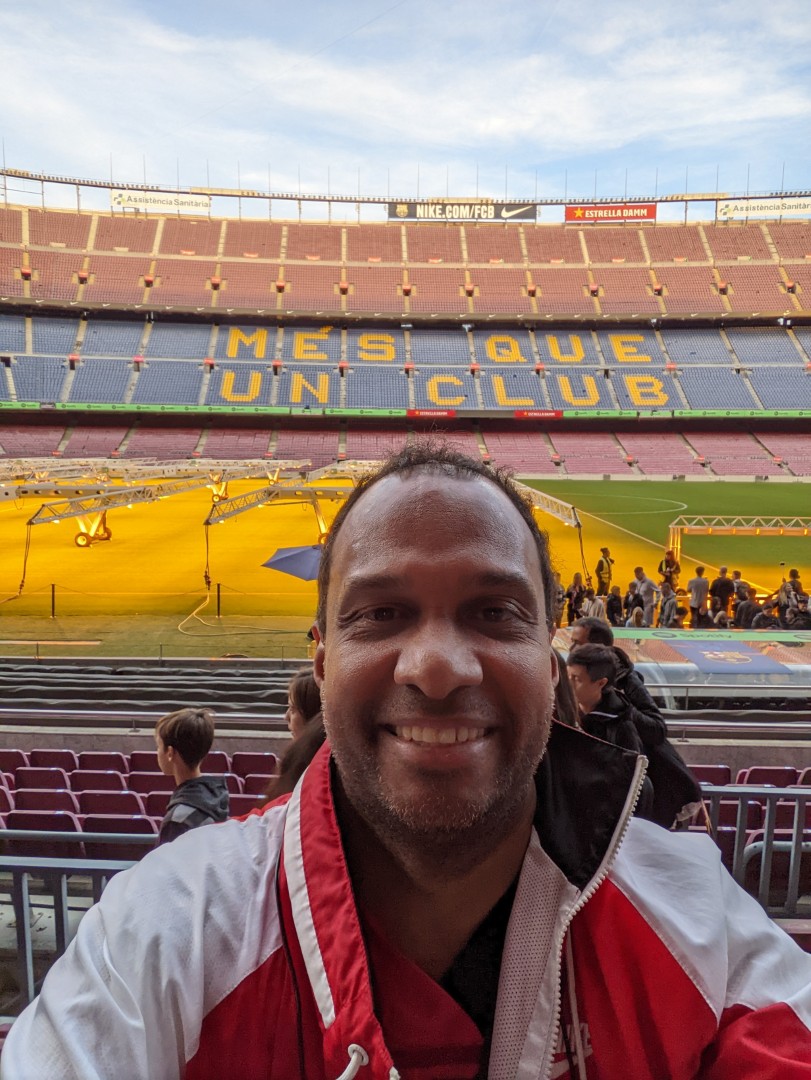
At Camp Nou Stadium, home of Spanish Football Club Barcelona (2022)
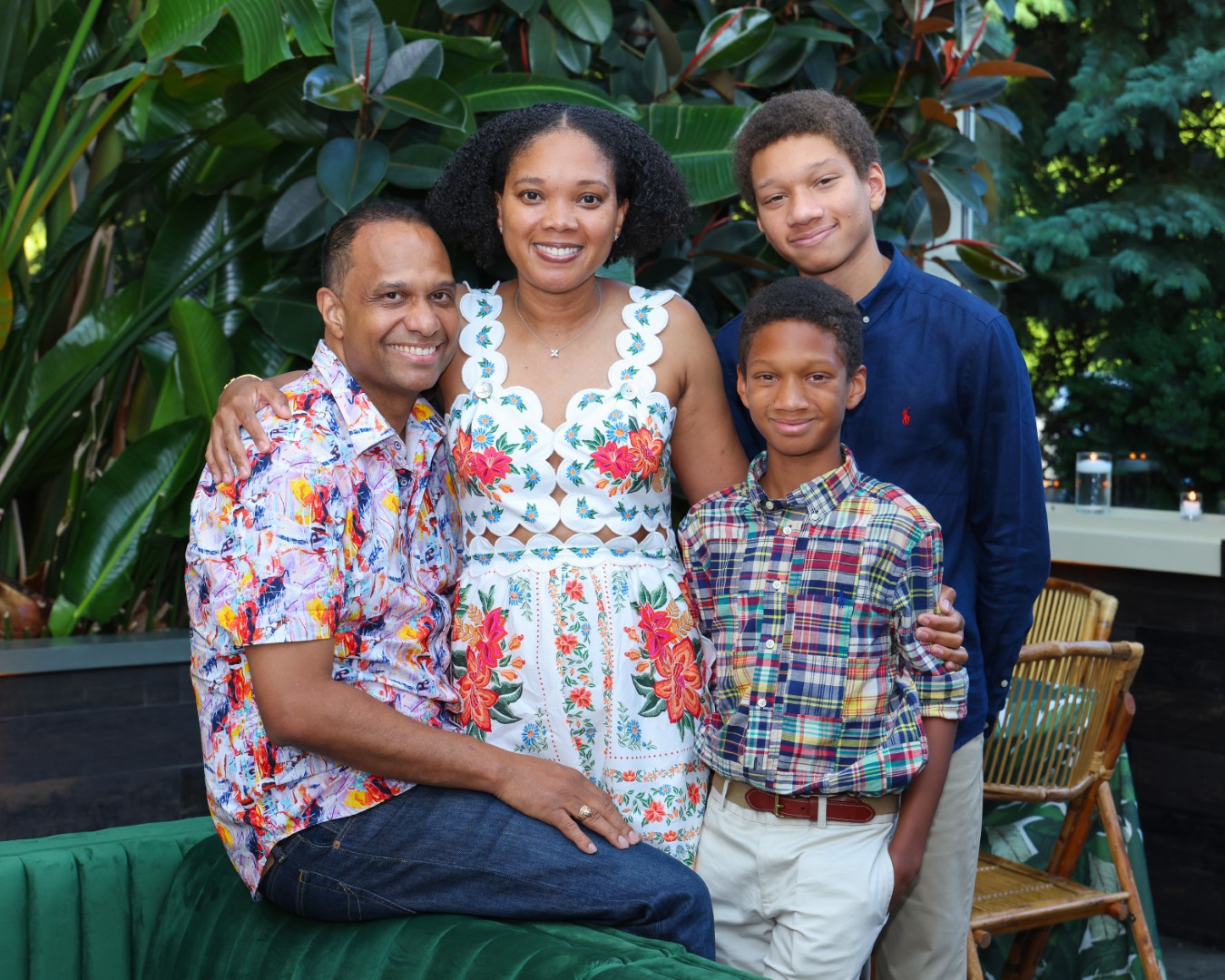
Nick celebrating his 50th birthday at party with wife Roxene, sons Elijah and Nathan (2024)
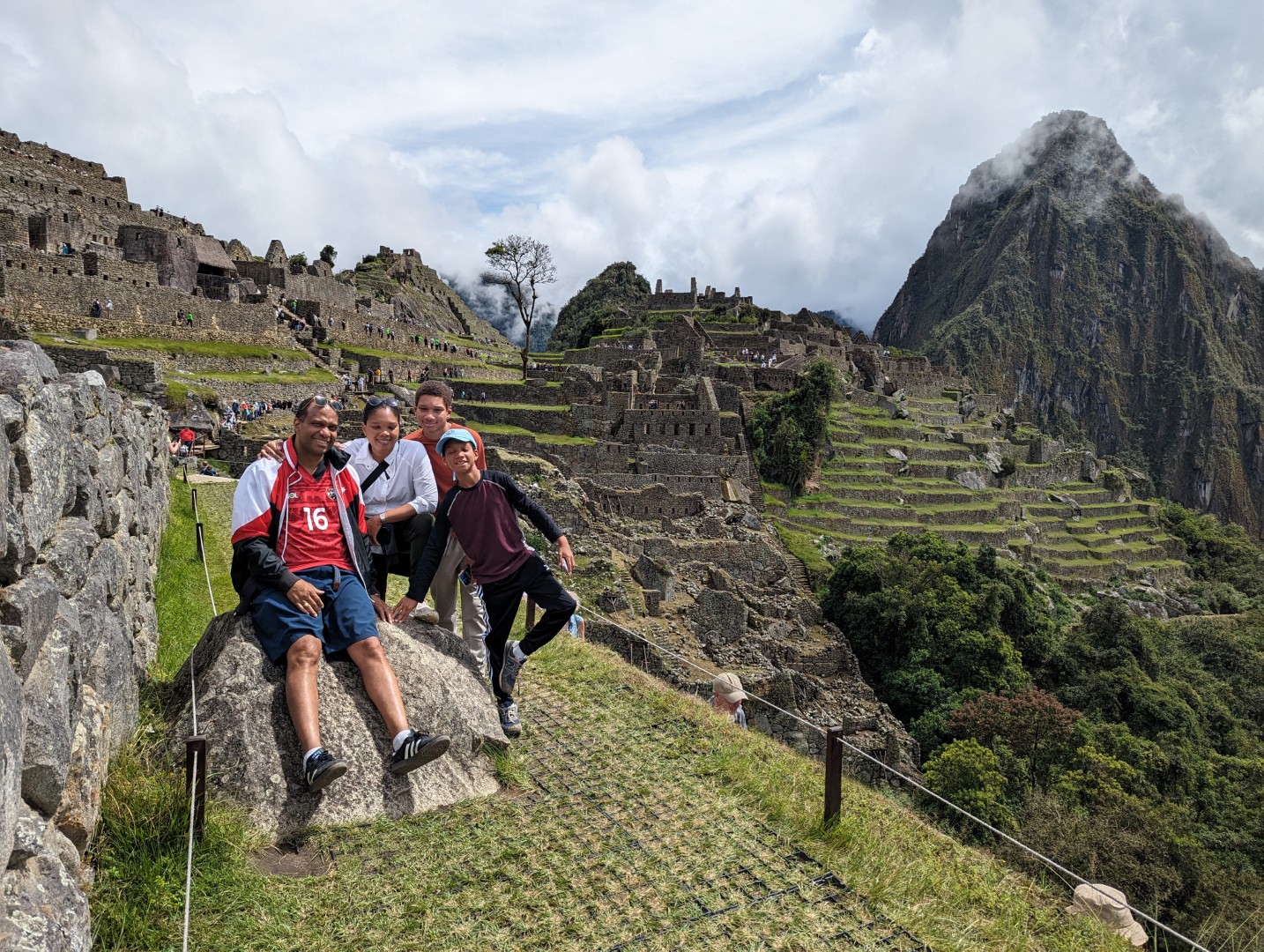
With family at Machu Picchu, Peru (2024)

With family in the Maldives (2025)
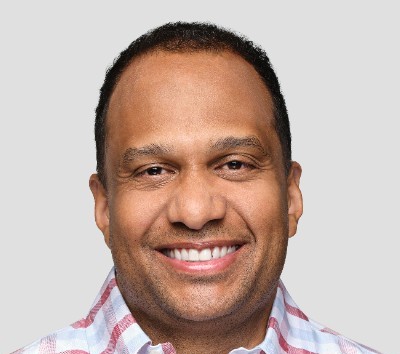
Dr. Nicholas (Nick) Fuller (Class of 1990 Form 5 & 1992 Form 6) is a distinguished leader in the field of Artificial Intelligence and Automation, currently serving as Vice-President of AI and Automation at IBM. In this role, he oversees a global team, driving the global innovation agenda for agentic AI and next-generation automation, supporting IBM’s multibillion-dollar automation software business and influencing emerging industry standards across IT operations, Industry 4.0, software engineering and business processes in the era of agentic AI.
With over 20 years of client-facing experience, Dr. Fuller has shaped enterprise-scale technology strategy, built high-performing global teams, and translated advanced research into market-defining outcomes.
An IBM Master Inventor, Dr. Fuller holds over 75 patents, has authored more than 80 technical publications, and has been cited over 3,800 times. As a thought leader, his insights frequently appear in prestigious outlets such as Forbes, The Deep View, TechRadar and international media.
Dr. Fuller earned a Bachelor of Science in Physics and Mathematics from Morehouse College and a Ph.D. in Applied Physics from Columbia University. Beyond his professional achievements, he is the author of “Struggle and Progress”, and enjoys football, music, travel, and writing. He resides in Long Island, New York, with his wife and two sons.
Dr. Fuller’s exceptional contributions to AI and automation, along with his dedication to innovation and thought leadership, made him a worthy inductee into the Fatima College Hall of Achievement in 2024. See Nick’s induction into the Hall of Achievement here.
See an interview here with Nick on YouTube:
Dr. Nick Fuller – IBM Research, Physics, and Importance of Tech – Caribbean Tech Pioneers #10 – YouTube
Q. Why did you select Fatima?
Interesting question. So I wasn’t able “to select Fatima” truth be told, as I was placed in Tranquility Secondary after sitting the Common Entrance Examination. My mother was visibly upset; I can recall her reaction to this day. As a 10-year-old I wasn’t sure what to think, but given the relationship I had with my mother I requested to attend Tranquil‘ as I didn’t want to retake the Common Entrance Exam, and she agreed. After doing very well academically in Tranquil‘, and through the influence of my sister (Nicole Woods) and one of my Primary School (St Gabriel’s) teachers, they both persuaded my mom (and myself) to seek a transfer to Fatima which panned out for the beginning of 3rd Form. And so in September 1987, I became a “Fatima” student.
Q. Tell us of your time at Fatima….pleasant and/or non-pleasant? Strangest memories?
Was culture shock initially! Growing up in Barataria I wasn’t exposed to the dynamism contained within Trinidad and Tobago’s very wide socio/economic spectrum. Eventually I found my niche with a variety of friends, including my future Morehouse College roommate Damani Piggott, Pedro Gonzalez, Shane Kissoon, Dewan Andrews and many others. Honestly, I felt very overwhelmed with the prospects of being able to achieve academically and hold my own. I doubted myself deeply, and set about a study routine that was probably overkill in hindsight but it paved the way for various academic successes. I loved football dearly, but after playing at the U16 level, I skipped out on the opportunity to play “1st Eleven”––again, that was because of doubts I had regarding what I needed to do to succeed academically, and I didn’t want anything or anyone to stand in my way.
I was also a member of the Fatima Debate Team, with Gareth Jenkins. Though that was for just one year, I have fond memories of that experience. As I gained more confidence in my ability to succeed academically, towards the end of 5th Form and in 6th Form, I was beginning to become much more introspective about many things including: the absence of my biological father from my life, the self-induced pressure of originating from humble beginnings, and the stigma of some of the ills of my extended family.
Q. Who was your favourite teacher and to which teacher did you give the most trouble?
I had quite a few favorite teachers––tough to separate Mr. Francis John and Mr. Francisco Garcia who respectively taught me Chemistry and Physics. Mr. Achille and Mr. Mahabir, who both taught me Math and Further Math respectively, were not far behind. They all really stimulated me academically, and thoroughly helped to nurture my scientific and mathematical curiosities, in no short way contributing to the directions I undertook subsequently. Not sure I gave any teacher trouble in the typical sense…I might have challenged some stereotypes of what makes a successful student.
Q. Did you play any sports or take part in any extracurricular activities at Fatima?
Yes, as said before football primarily, though I stopped playing for Fatima at the end of 4th Form but continued to play recreationally. I loved the “engine room” when it comes to football, i.e. midfield (not surprising given my personality!)
Q. Have you been able to maintain friendships with your classmates since leaving school? Any class reunions?
Many friendships. We have a class WhatsApp group which is fun. My closest Fatima friends to this day are Damani Piggott, Dewan Andrews, Pedro Gonzalez, Ronald Williams…to mention a few. Pedro and I just connected when he visited New York recently, and I typically see Damani on a more personal level.
Q. How would you advise a young student at Fatima thinking about a future in the tech industry?
The world of tech is much faster and even more dynamic than when I was in high school, and it demands an insatiable “hands on” curiosity for the broader technology spectrum. While there are of course specialists in multiple domains, my instincts tell me that the individual who is likely to succeed is the one who is at a minimum: insatiably curious, wants to understand the broader ecosystem while starting and diving deeply into a given domain, is open to learning additional domains, and lastly, is very adaptable to change as that now occurs at a blistering pace.
Q. What is thought leadership, and tell us about your role as a thought leader.
I view thought leadership from three lenses: Vision (strategy), Tenacity (iterative execution) and Culture (teaming). All three are essential for effective thought leadership, and the absence of any will derail any attempts at success. As a thought leader, I have cultivated the aforementioned framing through my 16 years as a manager and eight years as an IBM executive. This framing has been excellent in helping to shape successful missions, including my current mission re-building fundamental AI technologies to accelerate hyper-automation for the enterprise.
Q. You have been at IBM for 20+ years. Compare IBM then to IBM now.
Different world for sure. Twenty years ago was the era of traditional (on-premise) computing, and we were focused then on a growing IBM Systems (Microelectronics) business complemented by Software and IT Services. Today, the enterprise world is dominated by hybrid cloud computing (a combination of on-premise and cloud aka “software as a service”); and of course, AI is increasingly becoming a value-add for the enterprise, as the production and scalability challenges are mitigated with waves of innovation delivered to the market at a blistering pace.
Q. How do you think classrooms should adapt to the increasing popularity of ChatGPT and AI technology, especially with regard to learning?
We no longer use stagecoaches to get around or telegrams to send messages! Every era of innovation has taught us that adaptability coupled with the right “safeguards” allows us to make progress as a society and in our global village at large. In the future world, which is indeed already here, using AI tools for learning is essential. But students need to continue to learn first principles to understand various disciplines––not only from a career-seeking point of view, but also to cultivate their thinking and eventually to become thought leaders for their respective domains. Whether or not these students go into a technology domain in the future, AI will be part of their professional and personal lives…so gaining a deeper understanding of AI today, through use, will be invaluable for their futures.
Q. What impact do you think the over reliance on AI could have on students?
The danger here is avoiding paying attention to first principles; similar in many ways to not being able to do a calculation without a calculator, or to navigate between two geographical points without driving assistance tools. Achieving this balance will come from our thought institutions and indeed cultures in the home. So there is a huge role, for sure, for educators, parents and government leaders to ensure we strike the right balance,
Q. What do you foresee as the next immediate evolution of AI?
Agentic AI, which is largely in its infancy now. It’s based in part on “Large Language Models” (LLMs). But unlike LLMs (which are feed-forward only), agentic AI systems are feedback systems facilitating course correction and the ability to interact with various data sources and tools. The advantage here is that for non-deterministic-use cases, agentic AI systems can yield much higher performance than “pure LLMs”, and they have the potential to transform significantly work as we know it.
Q. The 2017 book, “Struggle and Progress,” is your autobiography and details your journey from a modest upbringing to becoming a master inventor and a key player on the global stage, providing insights into your personal challenges and achievements. What made you want to write this book?
In the introduction of the book, I highlight the story where my mother and I were having a casual conversation in New York in my infancy days as an IBM employee. The conversation was like the journey from Barataria to Maracas Beach😊: long and winding, with various twists and turns. It dawned on me that I should tell her story via myself, given the odds that were being fought (some of which I mentioned before) regarding my ability to succeed in life. The book itself took some 10 years to write, and as I went through the process, I realized that it would also be an invaluable tool for my children, and anyone seeking inspiration.
Q. Do you still have family in Trinidad, and do you return to Trinidad often?
I do, and I usually visit once a year. I have done work in the past with UWI and AmchamTT…so my trips are usually a blend of professional work and vacation.
Q. What do you miss the most about Trinidad?
The mental peace I would feel being at home, and the cultural vibe for sure. The latter is here in New York and that’s wonderful; but when at home, I can get that in a full dose!!
Q. When travelling on a plane, window or aisle seat?
One of both 😊; if not possible aisle for sure.
Q. Favorite football team(s) and player(s).
FC Barcelona: Samuel E’to, Ronaldinho, Iniesta.
Barataria Ball Players, Maurice Alibey, Marvin Faustin.
TT National team: Russell Latapy, Dwight Yorke, Kerry Jamerson
Q. Android or iPhone?
Android
Q. Favorite type of music. Favorite musical artiste(s).
Calypso (Valentino, Stalin, Rudder), Soca (Nadia, Kes), Reggae (Burning Spear, Sizzla, Capleton, Bob Marley), Bachata (Ruby Perez), Jazz, and other variants (Buena Vista Social Club)
Q. Favorite destinations you have travelled to, and which ones are on your still-to-visit list.
Hawaii, Maldives, Peru (Machu Picchu – idea of visiting this destination was planted from Fatima 3rd Form Social Studies class with Mrs Jenkins…and realized in April 2024), Cartagena, Colombia, Santorini, Greece (2008 honeymoon).
Still to do: South Africa (safari, though I’ve been there on business and visited Soweto and Mandela’s birth home); Ghana; various Indian cities (Mumbai, Chennai – have visited Bangalore on business); birthplace of my maternal grandmother (Tucupita, Venezuela); Speyside, Scotland (for whiskey tour, I am huge single malt fan, Balvenie, Macallan, Japanese 😊). Highly unlikely: going into space…that would have topped it all, watching the earth from the International Space Station (ISS), the Moon or elsewhere ‘out there’.
Q. Any bucket list item(s) still to achieve in your life (career/personal)?
In this “second half of life”, I want to spend the rest of my career focused on leveraging technology for various global challenges. My heart is in the energy/climate change space where I believe the challenges will only grow. So, look out for some future role wherein I am leveraging my deep technology background to drive impact in this space.
Personally: continue to grow, learn, spend time with loved ones, and of course, nurture my children as they chart their respective paths.
Q. Any role models?
My mother and many Fatima teachers as mentioned prior. Rod Adkins (retired IBM executive). Various giants in the world who have passed on: Nelson Mandela, Che Guevara, Eric Williams, Frederick Douglass.
Q. With all your accolades and experience, what would you say has been the highest point of your life/career so far? Your proudest moment?
Three really, and in no particular order: being inducted into the Fatima Hall of Achievement, obtaining my PhD from Columbia University, and publishing “Struggle and Progress”.
Q. Is there any accolade or accomplishment missing from the list that you would like to mention.
Becoming an IBM Executive, perhaps the last time I encountered “imposter’s syndrome”, and the journey since then has been remarkable.
Q. What does ‘Nitendo Vinces’ mean to you?
I feel like I live and breathe this. “Striving” isn’t just succeeding; it’s the tenacity needed to succeed which I have really embodied. “Conquer” in this context is ‘achievement’––which is broader than the goal itself but the ability for that goal to shape and inspire others.
Q. How did it feel to be inducted into the Fatima College Hall of Achievement?
As above, it was an amazing feeling for me to be “talked about” with other past Fatima stalwarts! Huge honour!!
Q. Any closing remarks?
Thanks for doing this.
It took me down memory lane, with the occasional tear brought to my eyes. An absolute joy.
I am hopeful it can be impactful for Fatima students, and indeed anyone who it reaches and may benefit from it.
May we all continue to shape the world, and improve it before our departure.