- Views 0
- Likes 0

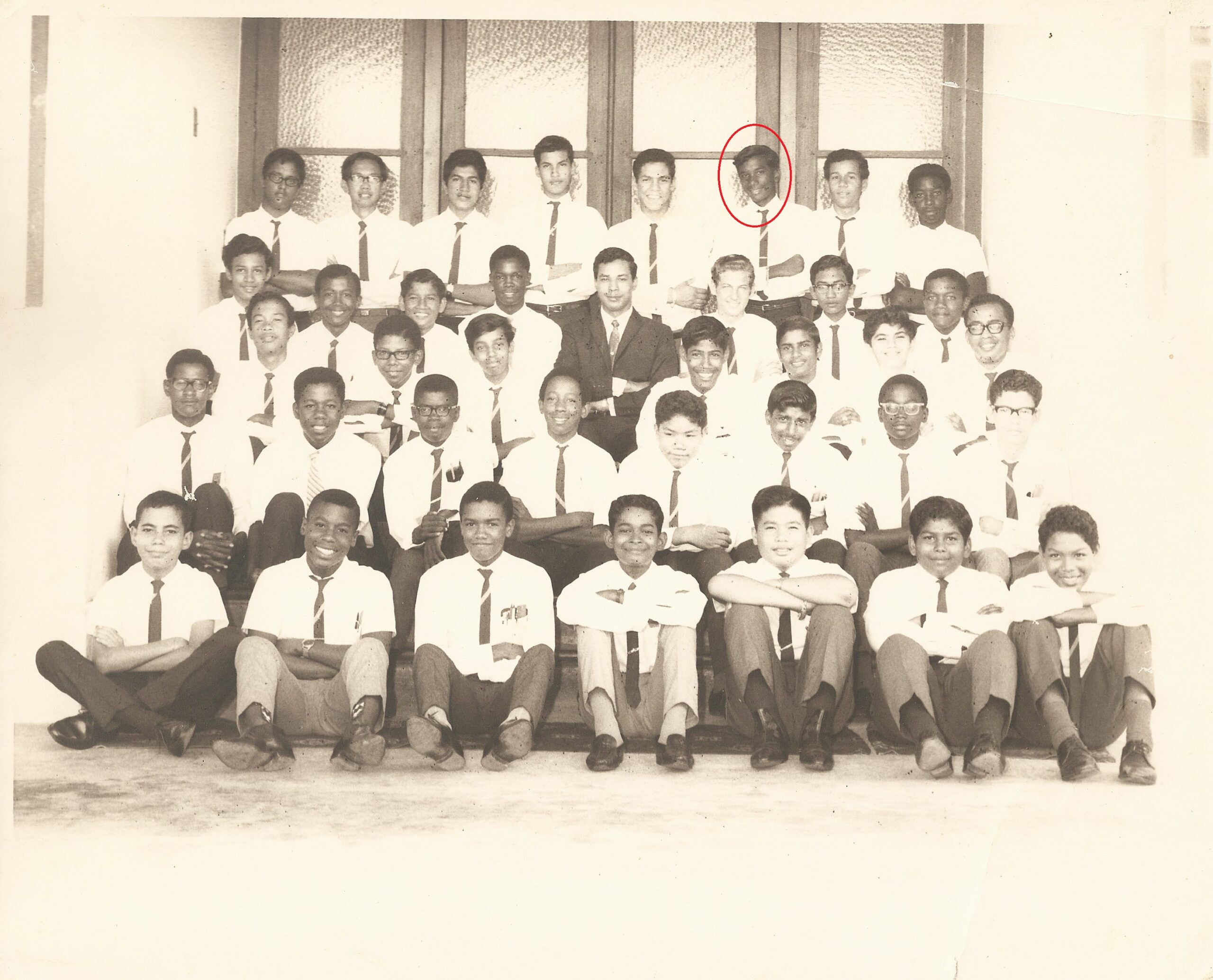
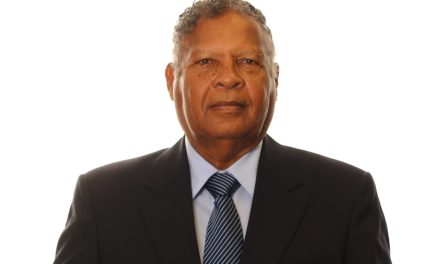
Fatima College Class Photo (1970)
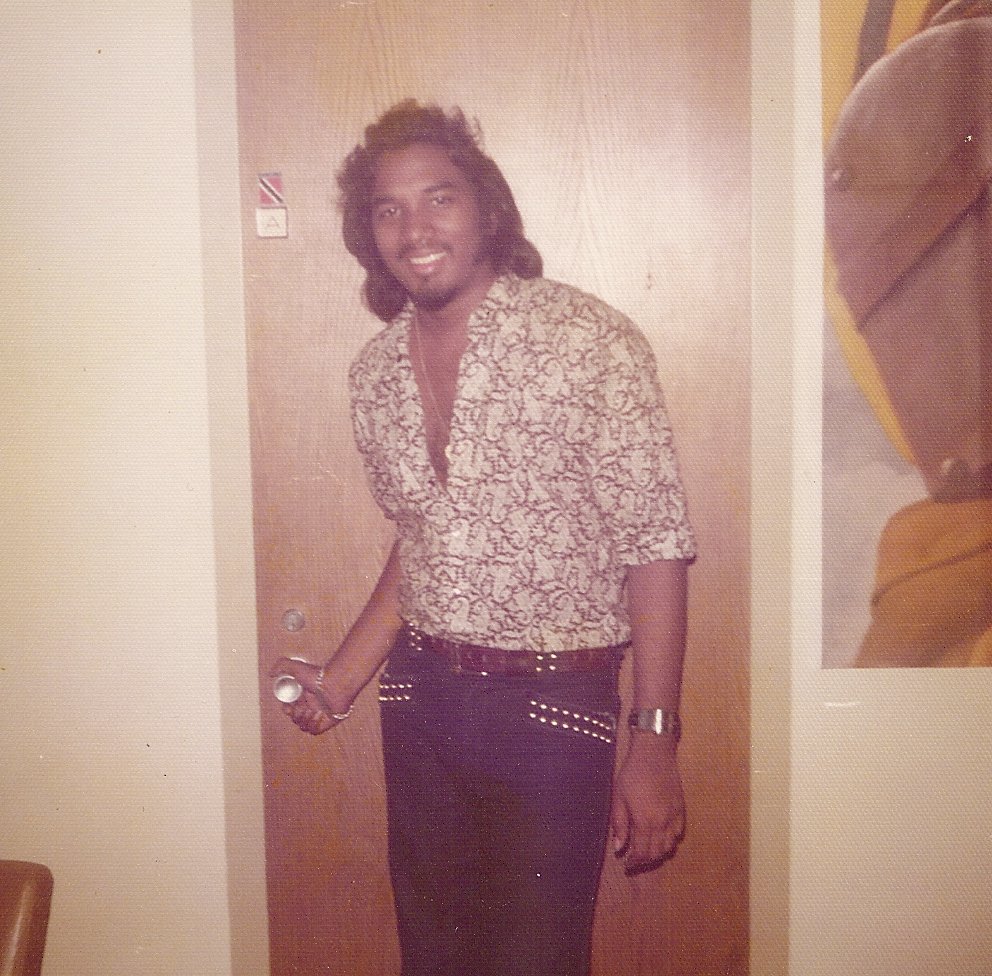
2nd Year at University of Tulsa
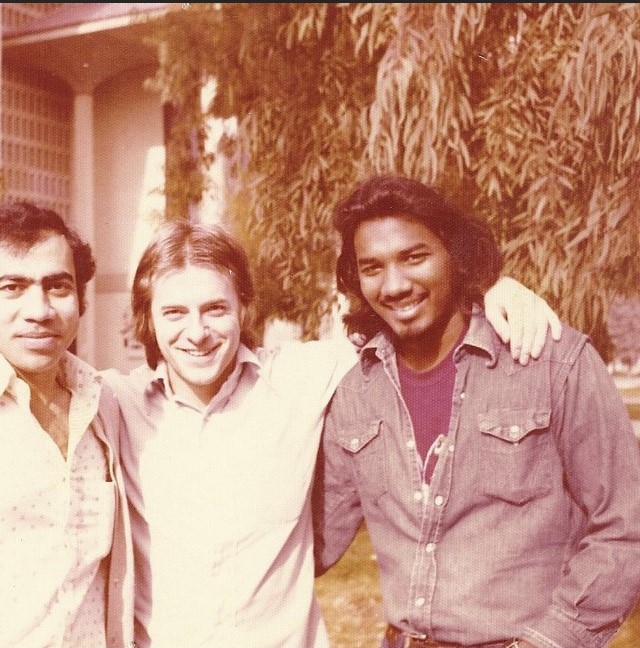
At Stanford University with friends (1977)
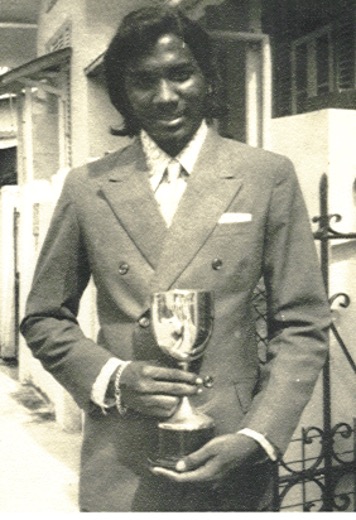
Winning the Father Ryan Cup for Outstanding Graduating Student, Fatima College (1972)
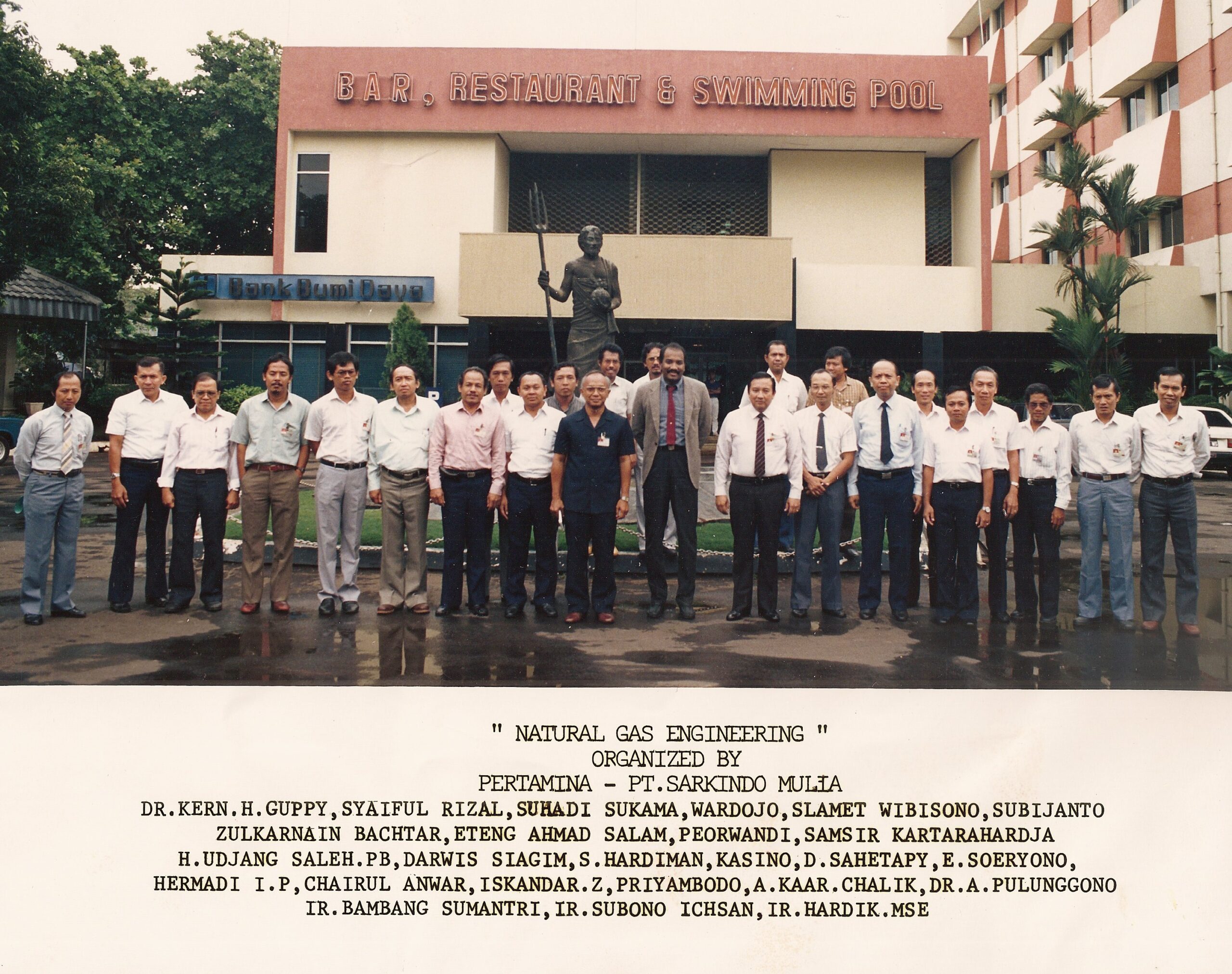
Teaching Petroleum Engineering in Indonesia (1982)
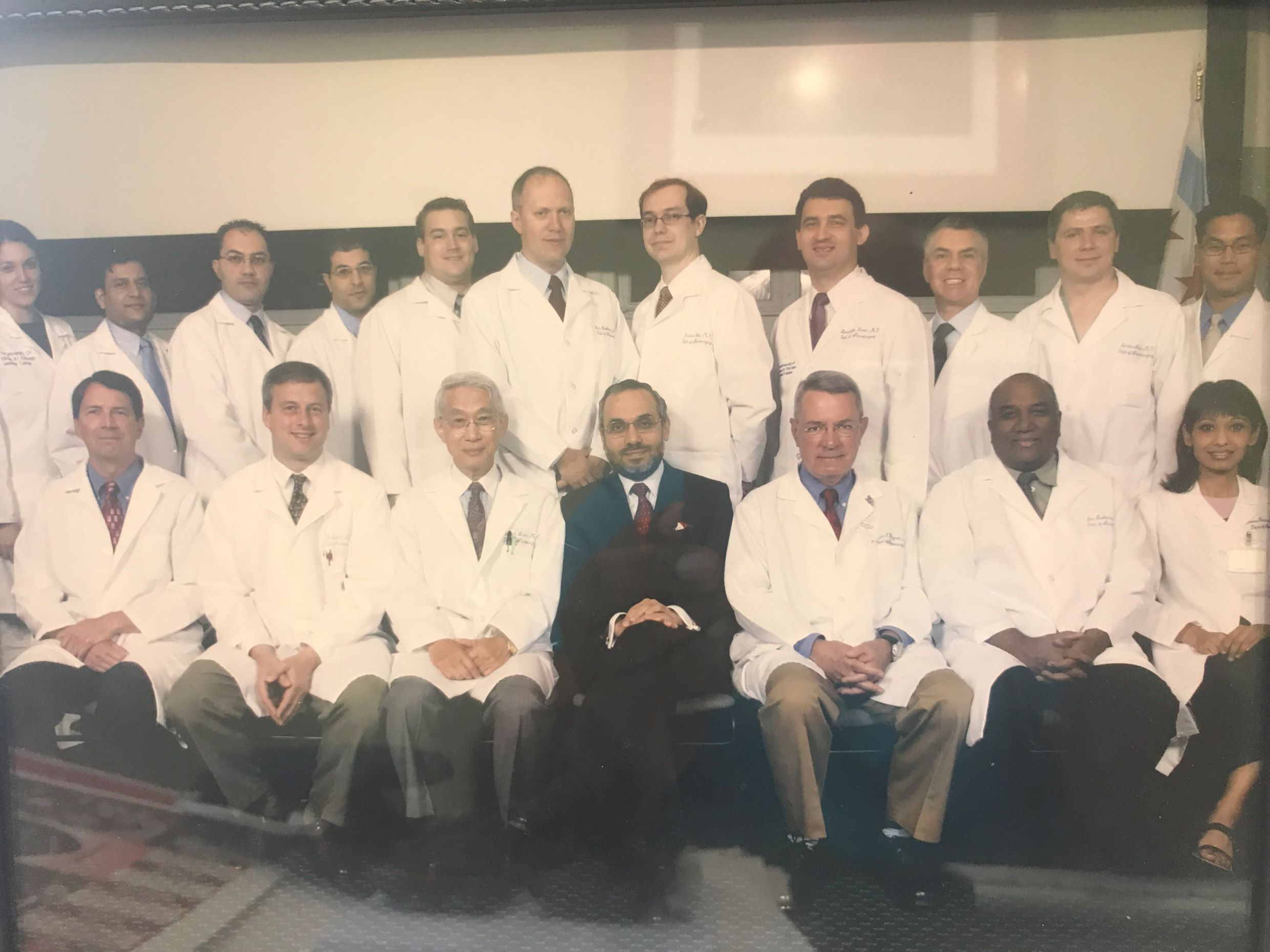
Professor of Neurosurgery at The University of Illinois (2002)
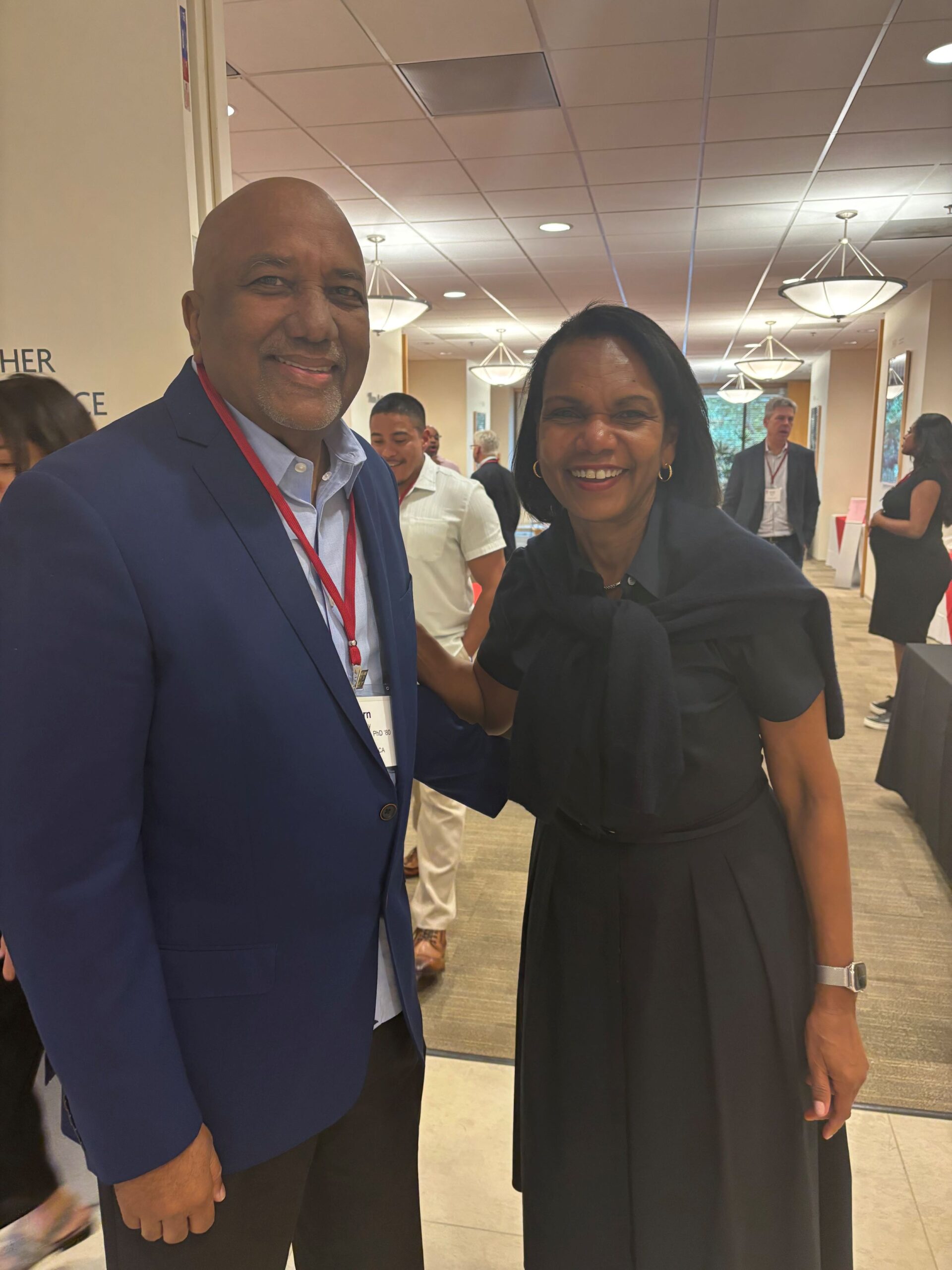
With Condolezza Rice at Stanford University
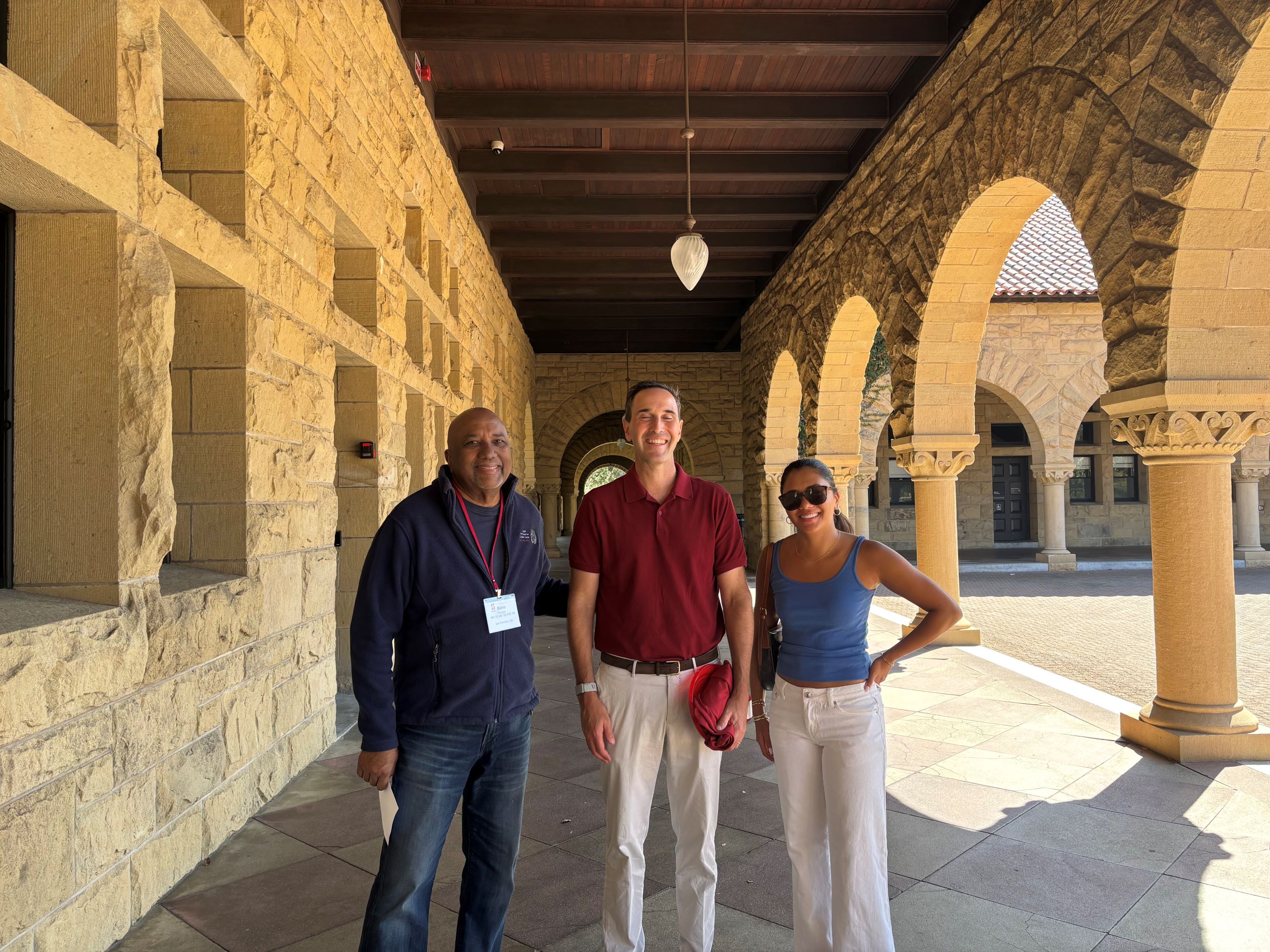
Kern and his daughter, Haiden, with the President of Stanford University, Jonathan Levin (2025)
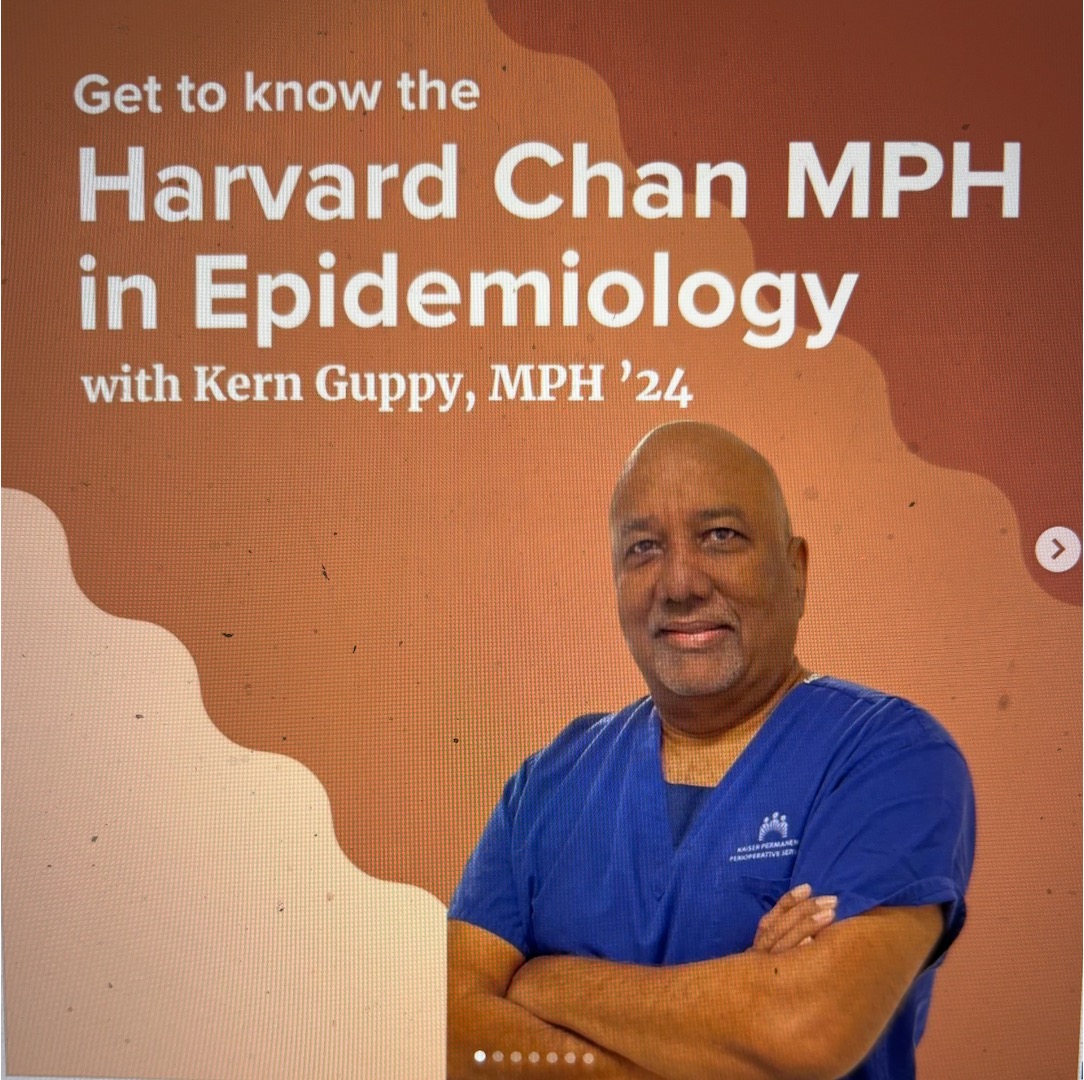
Harvard University poster (2023)
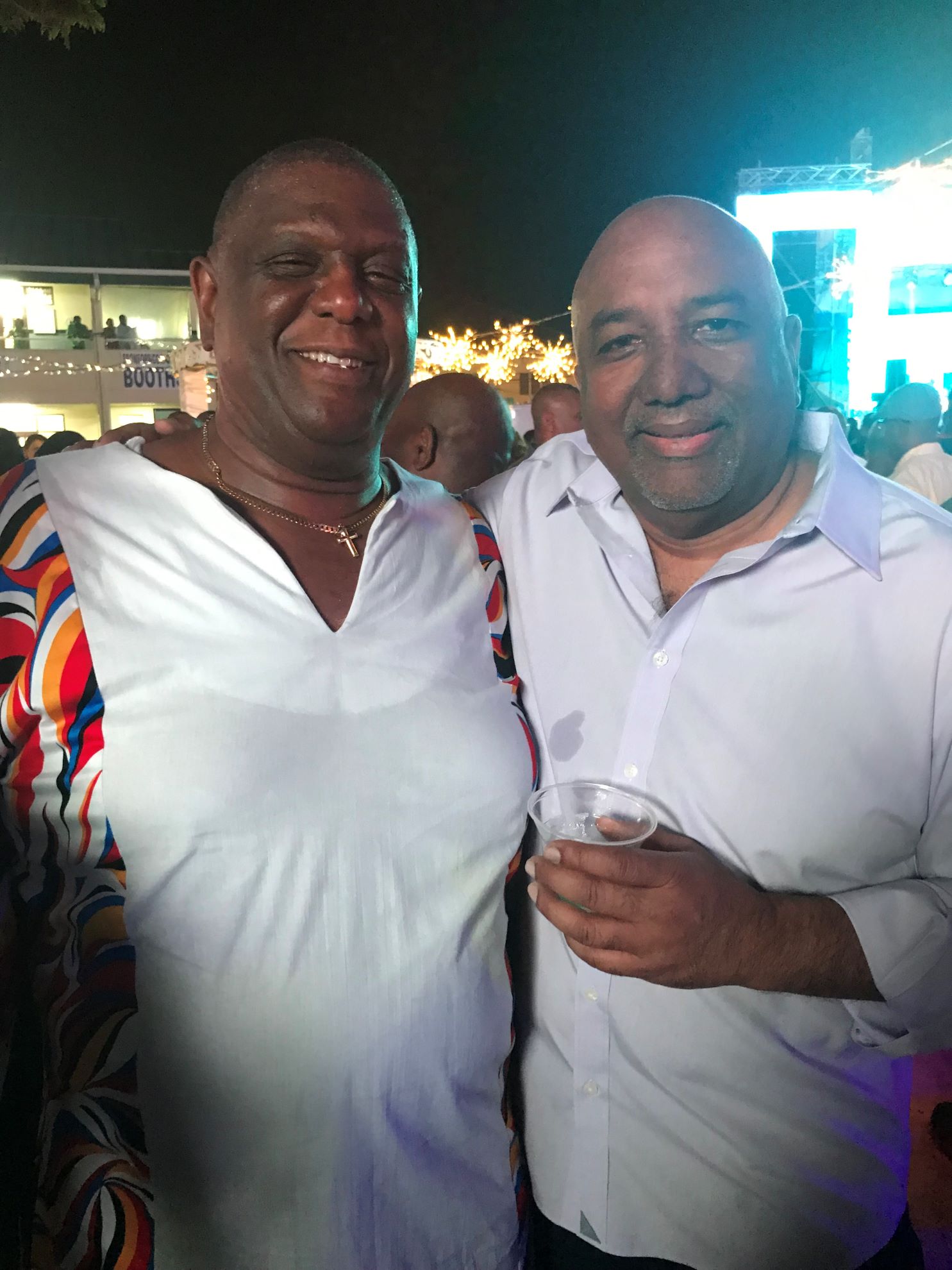
Fatima All-Inclusive Carnival Fete 2019
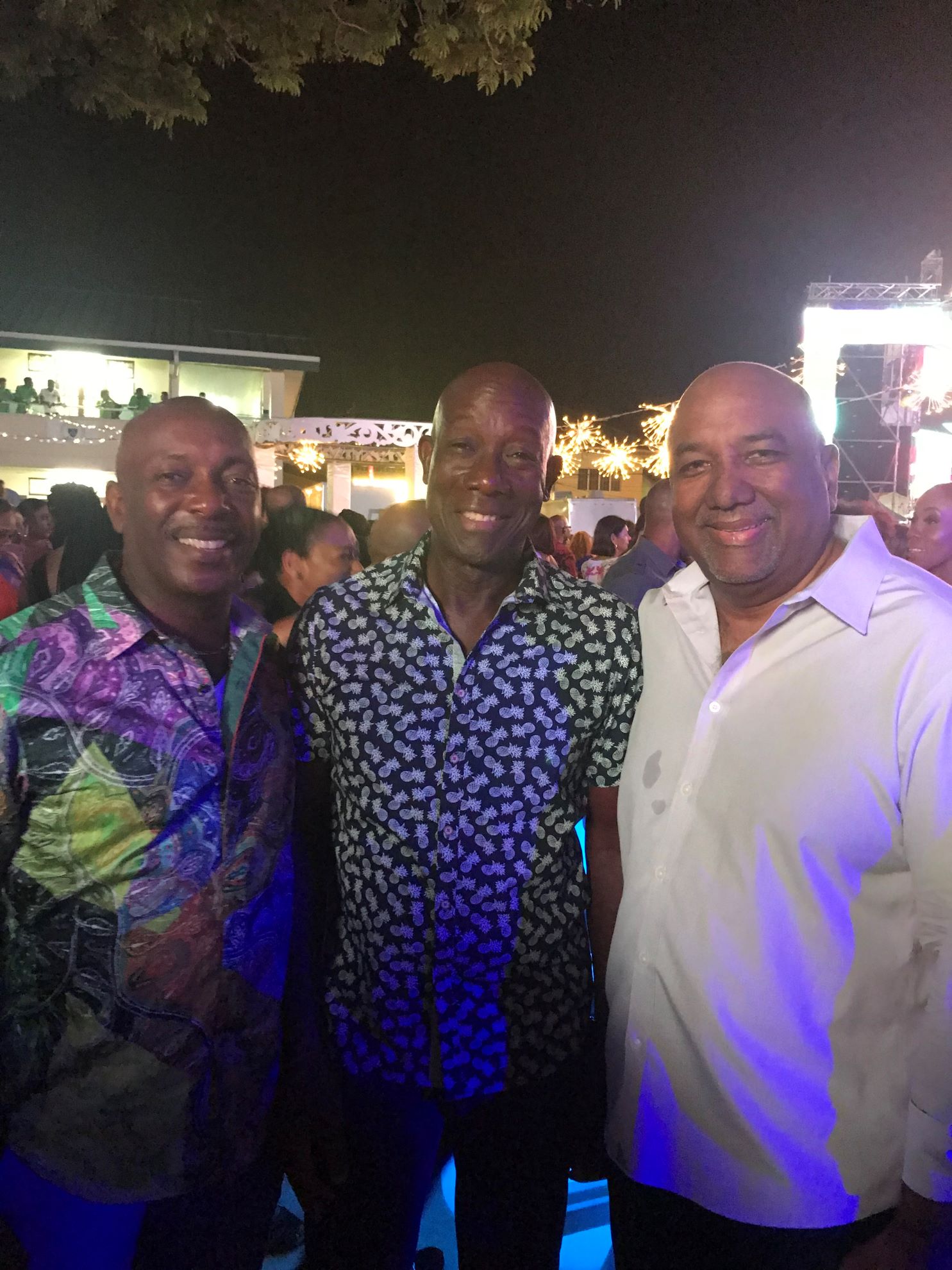
Fatima All-Inclusive Carnival Fete 2019
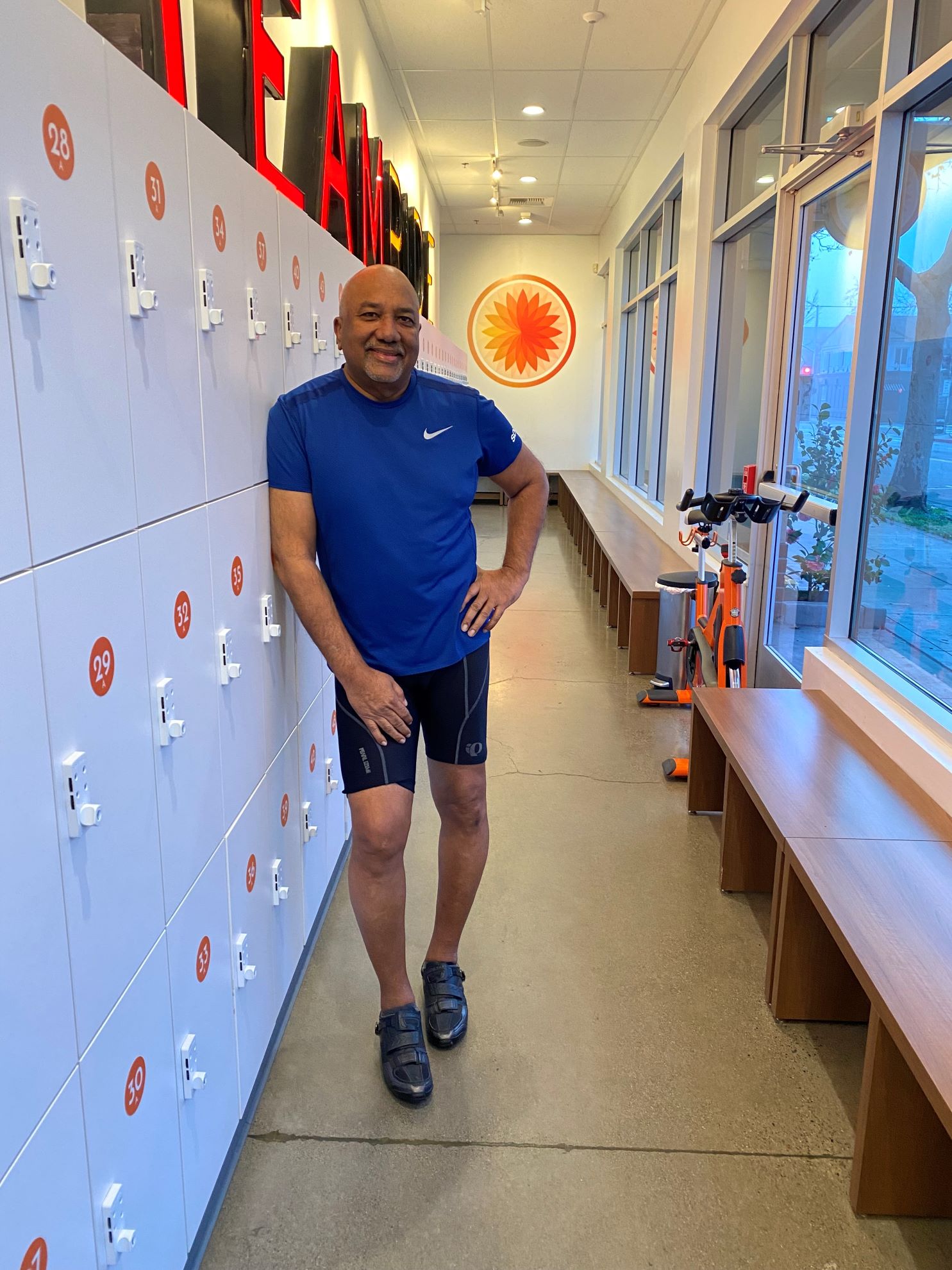
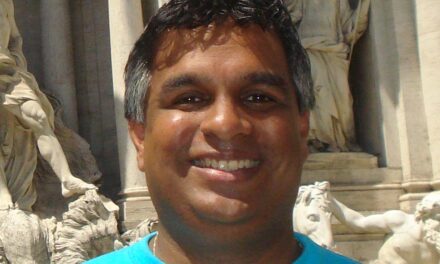
At Spin class
Dr. Kern Hayden Guppy is a distinguished Neurosurgeon, Engineer, and Academic whose career spans over 25 years in medicine and more than a decade in Engineering. A proud alumnus of Fatima College, Class of 1972, Dr. Guppy’s academic journey began with an AMOCO scholarship to pursue a Bachelor’s degree in Petroleum Engineering at the University of Tulsa. He later earned a Master’s and PhD in Petroleum Engineering, along with a Master’s in Industrial Engineering, from Stanford University, where he also served as a Teaching Assistant and Sigma Xi Science Honor Society member.
Dr. Guppy began his professional career as an Assistant Professor of Petroleum Engineering at the University of Southern California, where he collaborated on blood flow dynamics modeling with the medical school, igniting his interest in Medicine. This passion led him to Northwestern University, where he obtained his MD, followed by a residency in Neurosurgery and a fellowship in Complex Spine Surgery.
Currently, Dr. Guppy is the Chief of Neurosurgery Spine at Kaiser Permanente Medical Group in Sacramento, California, and the Co-Lead of the Kaiser Permanente National Spine Registry. He also serves as Clinical Associate Professor of Neurosurgery at the University of California, San Francisco, and the University of California, Davis, where he is the off-site Director of the Residency Program in Neurosurgery. His practice focuses on complex spine surgery and brain tumors, earning him recognition as a leader in the field.
A prolific researcher, Dr. Guppy has published over 65 peer-reviewed articles and holds numerous leadership positions in prestigious professional organizations, including past-Presidency of the San Francisco Neurological Society. Among his accolades, he received the 2022 Morris F. Collen Research Award for extraordinary accomplishments as a clinician-researcher, and multiple awards for his clinical research.
Kern Guppy, MD, PhD – TPMG Awards
Dr. Guppy maintains strong ties to Stanford University, serving on its Alumni Association Board of Directors and participating in the Stanford Alumni Mentoring Programme. In 2024, he achieved another milestone by earning a Master’s in Public Health from Harvard University.
Dr. Kern Guppy’s exemplary career, bridging Engineering and Medicine, reflects his unwavering dedication to innovation, education, and patient-care, making him a most deserving inductee into the Fatima Hall of Achievement 2024. See Kern’s induction here.
Q. Why did you select Fatima?
My father and uncles attended QRC and were well known in the community, but I wanted to carve out my own path. At the time, Fatima didn’t have the strongest football team, and no one from the school had ever won a national scholarship. That only fueled my determination. I wanted to be the one to change that narrative. I came close to winning a national scholarship, but life had a different plan—I earned the AMOCO Scholarship instead, and it opened a new path I could never have imagined.
Q. Describe the culture of the school in your time.
It was a great time. The school was still in its near infancy. In my days, Fatima was in the shadow of CIC (often viewed as our older brother). At that time, we were “young and hungry” for success academically and on the sports field.
Q. Who was your favorite teacher and who was the scariest teacher?
My favorite teacher was Mr. Camino who taught me Mathematics, and my scariest was Father Cochran!
Q. Did you play any sports or take part in any extracurricular activities at Fatima?
No. I was not active in any formal sports, but I played football with my classmates after school.
Q. Have you been able to maintain friendships with your classmates since school? Any class reunions?
I keep in touch with some friends such as Brian Samaroo, David Soverall, Gerard Mahabir, Harold Imamshah.
Q. What is the most valuable lesson that you learned at Fatima?
The most valuable lesson I learned at Fatima was to never let anyone else define who you are or limit what you can achieve. I always dreamed of attending Stanford University, and Fatima taught me that with perseverance and by always reaching for the stars, anything is possible.
Q. Tell us about your transition from Engineering to Medicine.
I always had a deep interest in Medicine, but my natural strength in mathematics led me to pursue Engineering. Ironically, at Stanford, my thesis focused on “fluid flow dynamics in fractured wells”—a topic that later became invaluable when I began modeling “blood flow” dynamics. During my tenure as an Assistant Professor of Petroleum Engineering at the University of Southern California (USC), I collaborated with cardiologists to model blood flow in the carotid artery bifurcation. That experience rekindled my passion for Medicine, and with the encouragement of my medical colleagues, I decided to apply to medical school. As they say, the rest is history.
Q. Are there times in your medical career when both fields have overlapped or merged?
As my career progressed, I came to deeply appreciate how biomechanics and hemodynamics influenced everything I did in the operating room. Whether reconstructing the spine with rods and screws or performing complex scoliosis surgery, my understanding of biomechanics guides every decision—each curvature, level of fixation, and balance point. The same principles of hemodynamics applied when I performed arterial bypass surgery in the brain for diseased blood vessels. Today, the integration of biomechanics and hemodynamics has become central to how I think, plan, and operate each day.
Q. With all the advances in medical technology over the years, is there anything on the horizon that is exciting or looks very promising for neurosurgery, in particular with regards to treating dementia or Alzheimer’s disease?
There is an exciting subspecialty in neurosurgery called Functional Neurosurgery, where neurosurgeons target specific brain circuits that control movement, pain, mood, and other neurological functions. The goal is to modulate abnormal brain or nerve activity to relieve symptoms of conditions such as Parkinson’s disease, epilepsy, chronic pain, and mood disorders. One of the most groundbreaking frontiers in this field is the development of Brain–Computer Interfaces (BCIs)—technologies that allow direct communication between the brain and external devices. These innovations hold tremendous promise for restoring movement in patients with paralysis, spinal cord injuries, or other motor impairments…bridging the gap between neural activity and mechanical function.
The battle against dementia and Alzheimer’s disease presents a unique challenge from a neurosurgical perspective. While current treatments focus on managing symptoms rather than providing a cure, neurosurgery is beginning to play a larger role in understanding and potentially mitigating disease progression. Deep Brain Stimulation (DBS)—already used to treat Parkinson’s disease—is being explored as a way to influence memory circuits, improve cognition, and slow functional decline in Alzheimer’s. Similarly, advances in neuroimaging, neural implants, and BCIs are allowing scientists to map and interact with the brain’s memory and attention networks in ways never before possible.
These innovations represent the convergence of Engineering, Neuroscience, and Surgery—a collaboration that one day may transform how we treat neurodegenerative diseases. It’s an inspiring example of how Technology and Medicine are uniting to restore brain function and improve quality of life for patients facing some of the most complex neurological disorders.
Q. Do you still have family in Trinidad and do you return to Trinidad often?
Yes, I have a brother, cousins, and aunts who still live in Trinidad. Lately I am trying to return every year, having left 52 years ago.
Q. Let’s say you are about to be marooned on a deserted island and can only choose one food item. Of these, which would it be: macaroni pie, pastelles, roti or doubles?
No doubt – Dhalpuri Roti. Lucky for me I found someone in Oakland, California, who makes it for me.
Q. What do you miss the most about Trinidad?
I miss the people. I did not realize how much I miss the culture, the diversity, and the warmth of the PEOPLE.
Q. Who is/are your role model(s)?
Henry J. Ramey, Jr., PhD, was the Chairman of the Department of Petroleum Engineering at Stanford University and was instrumental in giving me my first opportunity to come to Stanford for my Master’s degree. He later supported me through my PhD, and an additional Master’s degree in Industrial Engineering. He taught me how to conduct meaningful research and how to publish journal articles that could truly make an impact on their readers.
My other role model was Dr. Fady Charbel. He was my Chairman during my neurosurgery residency, and I had the privilege of working for him when I was an Assistant Professor of Neurosurgery. He is exceptionally skilled and insightful as a surgeon, was calm and controlled in the operating-room and had a strong commitment to excellence in patient-care. He taught me how to think critically in the operating-room, how to approach complex vascular cases with confidence; and above all, how to remain compassionate and grounded no matter the situation. His mentorship shaped not only my surgical technique but my philosophy as a physician.
Q. What do you do for leisure? Any hobbies or interests?
I do Spinn. I love Jazz Music and frequently travel all over the world to attend concerts. Love to travel.
Q. Favorite sport(s) and player(s) / team(s).
I have not followed cricket or football since I left Trinidad. In the U.S. I follow American football. My favorite American football team is the San Francisco Forty-niners, and favorite basketball team is the Golden State Warriors.
Q. Android or iPhone?
iPhone
Q. Favorite music genre and artiste(s)?
This is widespread: Johnny Mathis, Nat King Cole, Marvin Gaye, Dr Dre, Kendrick Lamar.
Q. Tell us about your family (wife, children).
I have a daughter who is a sophomore at Stanford University studying Bio-engineering and pre-Medicine. I am divorced, but together with my ex-wife, we are proud to have raised a bright, intellectually curious, well-adjusted, mature, and driven young lady.
Q. With all your accolades and experience, what would you say has been the highest point of your life/career so far? Your proudest moment?
Although I have been fortunate to receive several accolades and awards throughout my career, one of my proudest moments was returning to College at 66-years-old to earn my Master’s degree in Public Health from Harvard University. Yet, nothing compares to the pride I felt when my daughter was accepted into Stanford University and chose to pursue a career in Medicine.
Q. Is there any accolade or accomplishment missing from the list that you would like to mention.
You got all the ones that count.
Q. Having served on the Alumni Association Board of Directors for Stanford University, have you been able to keep in touch with Fatima College and the Fatima Old Boys Association via the FOBA communications network (social media, emails, website)? If yes, do you have any advice or recommendations for FOBA?
Yes, serving on the Stanford Alumni Association Board of Directors has helped me appreciate the importance of ‘giving back to your school and developing community networks to help others’. I think it is very important that we give opportunities to others the same way I was given that opportunity by Dr Ramey.
Although I live far away, I have been able to stay connected with Fatima College and the Fatima Old Boys Association—whether through social media, email updates, or the website. When I was at Fatima, FOBA played a vital role in assuring me that there was a community of alumni out there to help me. I believe strengthening digital outreach, sharing stories of alumni achievements, and expanding mentorship opportunities for current students can have an even greater impact. FOBA has always played a vital role in keeping the Fatima spirit alive and ensuring that Fatima’s legacy continues to grow for generations to come.
Q. Any bucket list item(s) still to achieve in your life (career/personal)?
I would like to travel all over the world.
Q. What does ‘Nitendo Vinces’ mean to you?
It is a classic Latin motto that celebrates perseverance and effort. If I were to summarize my own path to success, it would echo the same message — success is achieved through hard work and determination.
Q. How did it feel to be inducted into the Fatima College Hall of Achievement?
This recognition held special significance for me. While I have received several awards throughout my career, being acknowledged by the very institution (Fatima College) that helped define my path made this recognition particularly meaningful.
Q. Any closing remarks?
It was truly an honor to be inducted into the Fatima College Hall of Achievement, and to take part in this interview. I hope it offers a glimpse into how deeply my career achievements have been shaped by my time at Fatima. Most of all, I hope it inspires young men out there with big dreams to believe that great things are possible — with perseverance, and the Fatima spirit of “Nitendo Vinces”.