- Views 0
- Likes 0
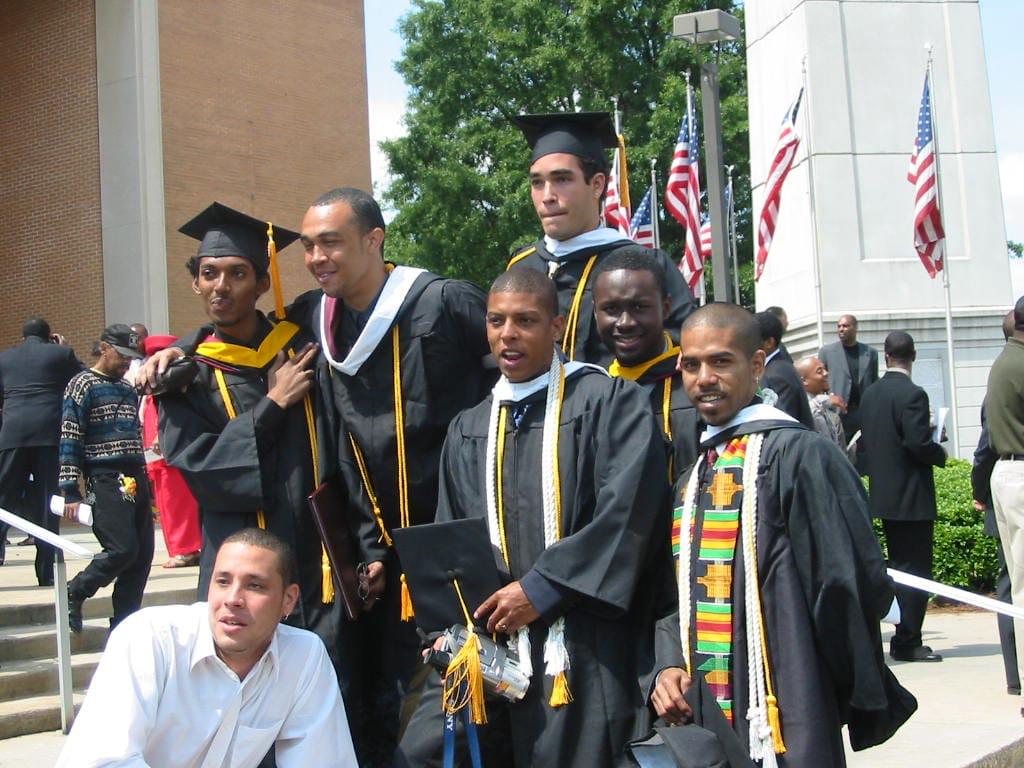
Graduation from Morehouse College – 2002
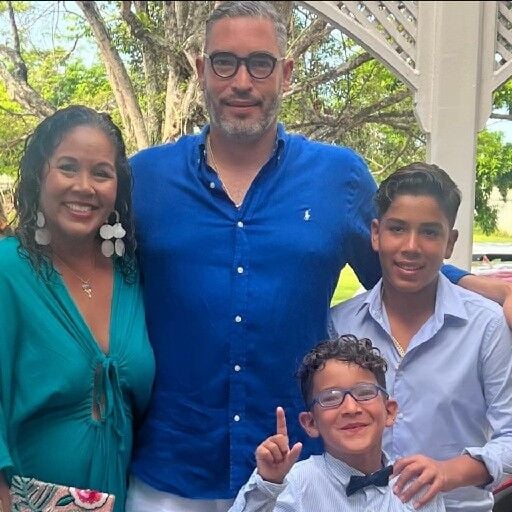
With wife Karen and sons
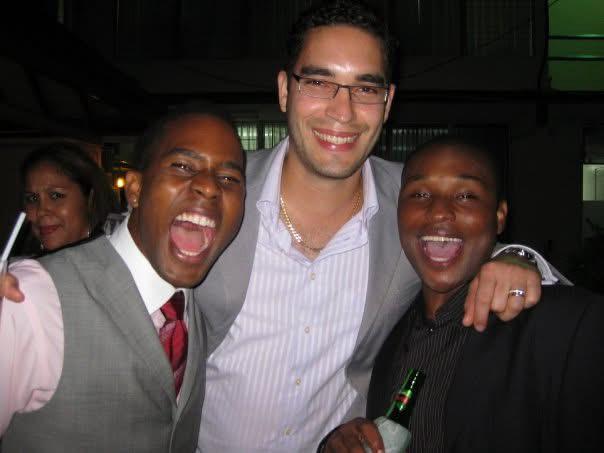
How weddings are supposed to look
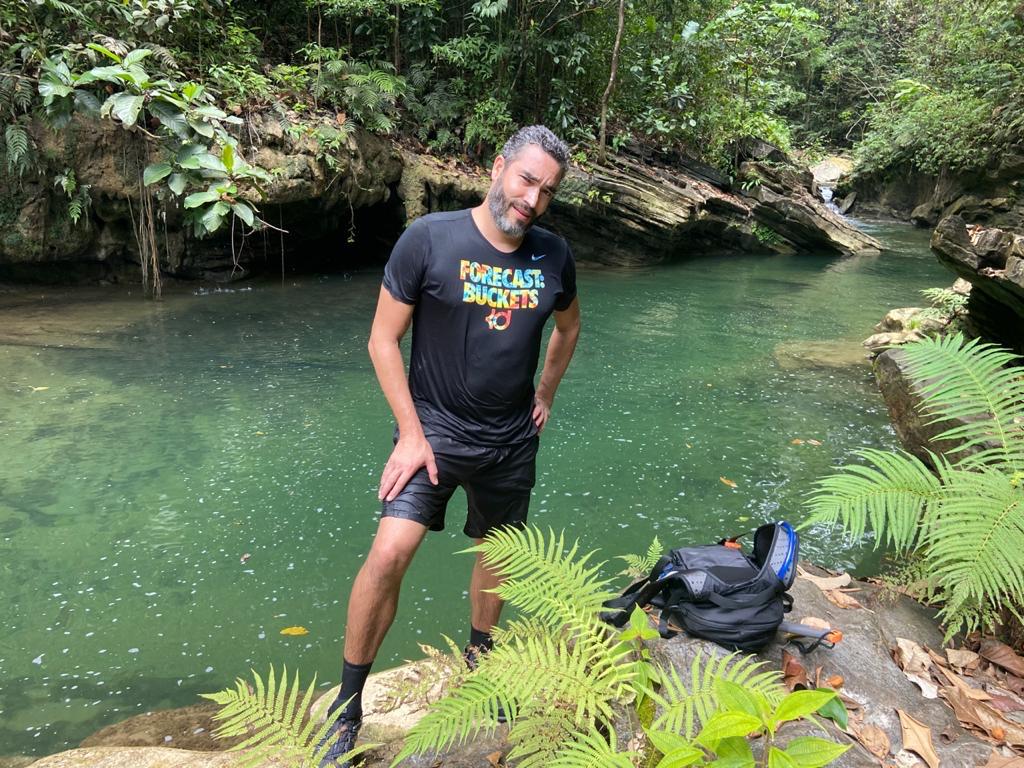
Covid hiking days
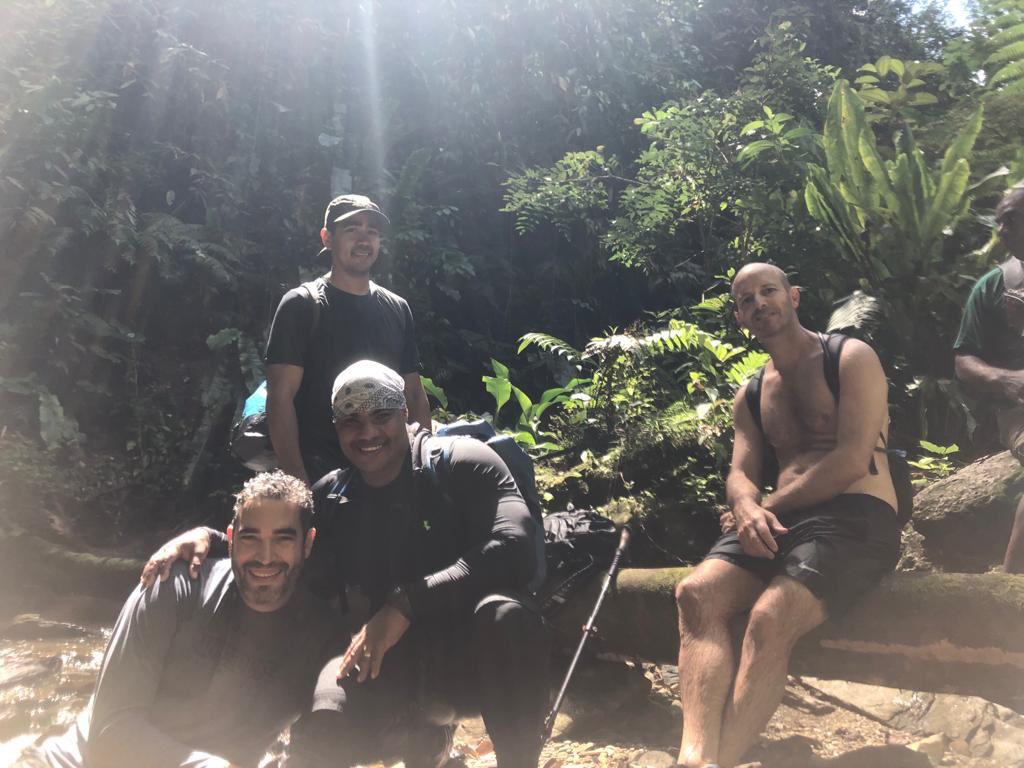
Covid hiking days
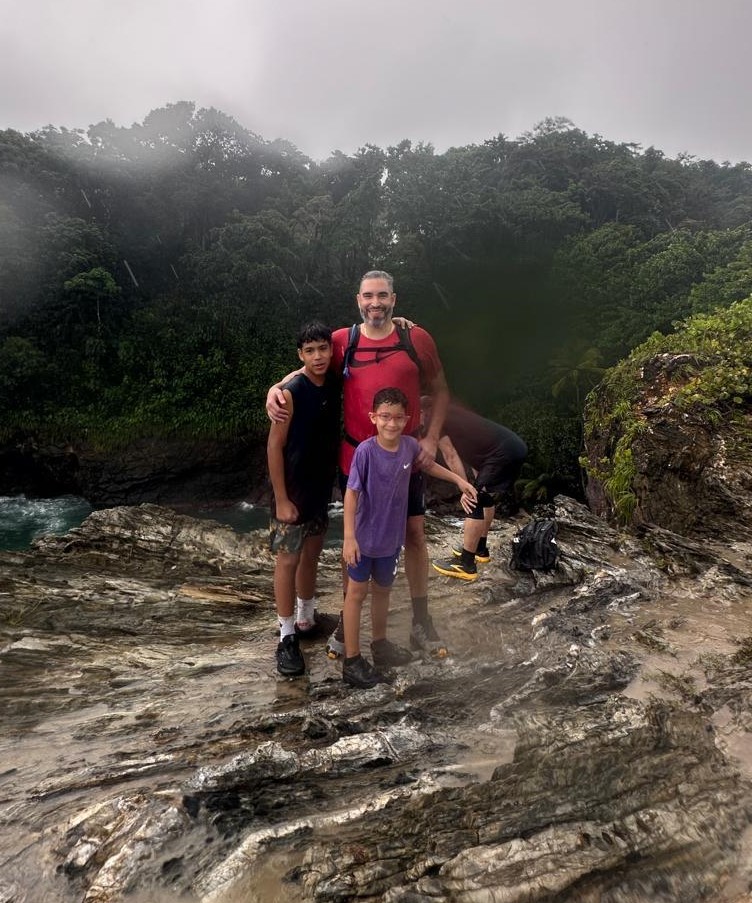
Hiking to Paria Bay with sons
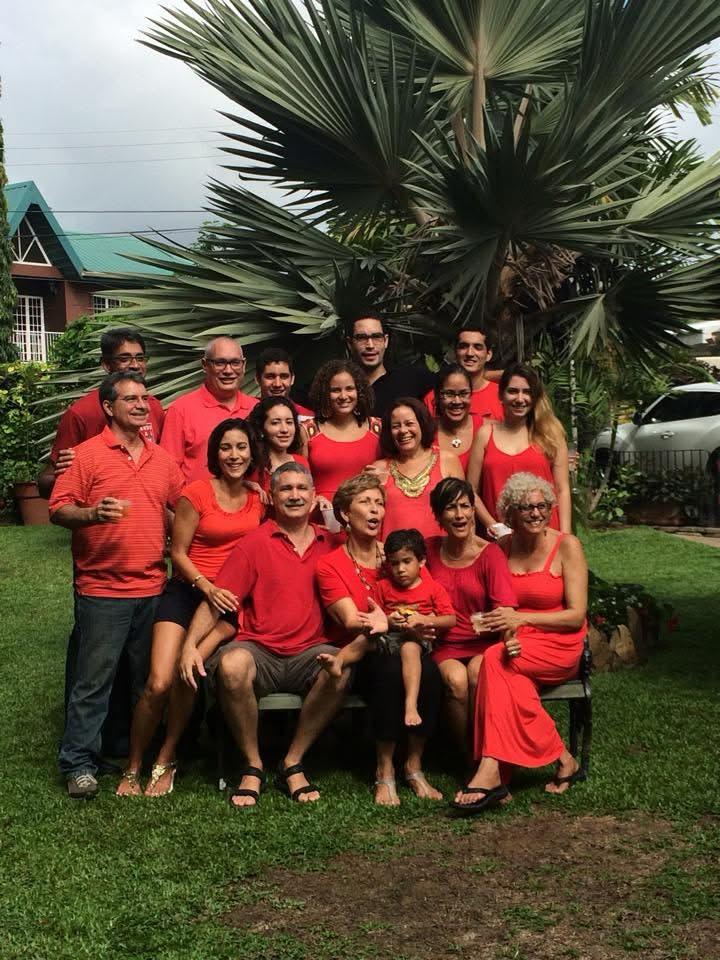
Jardine family reunion
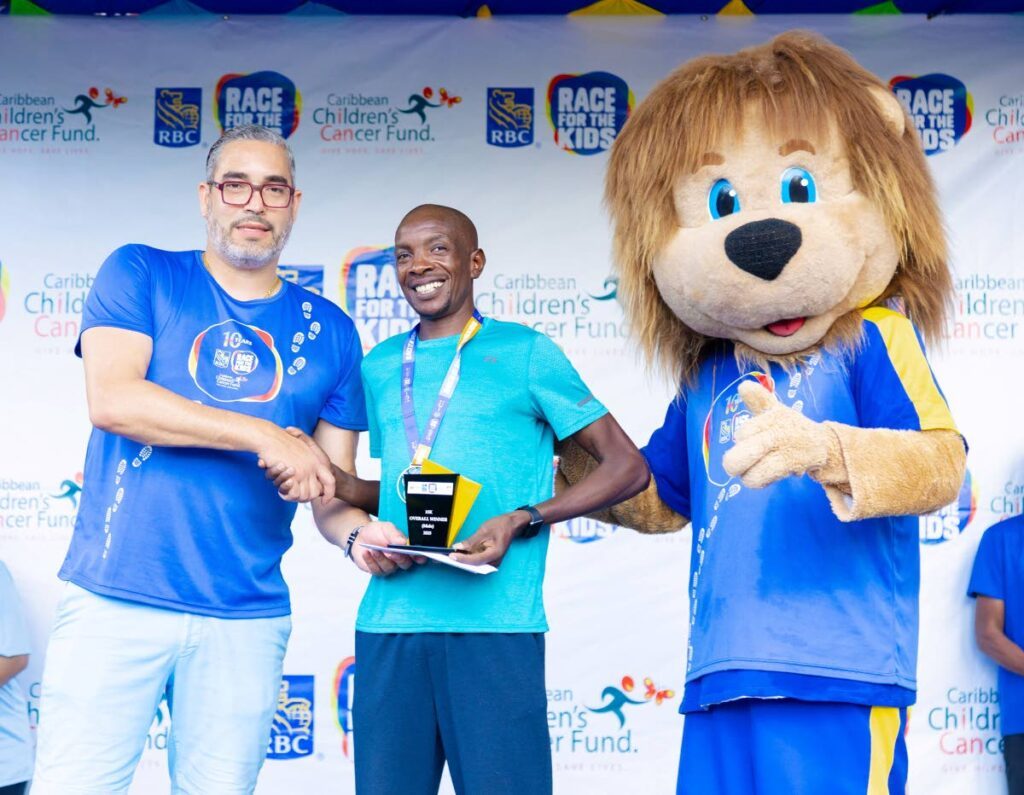
Congratulating RBC 15K race male winner 2025
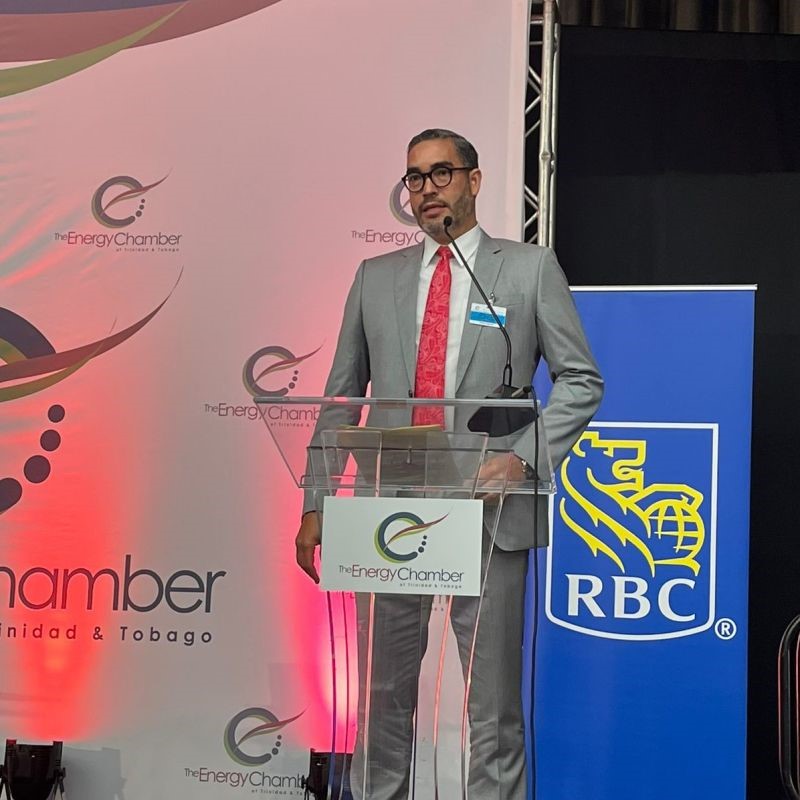
Trinidad and Tobago Energy Conference & Tradeshow 2024
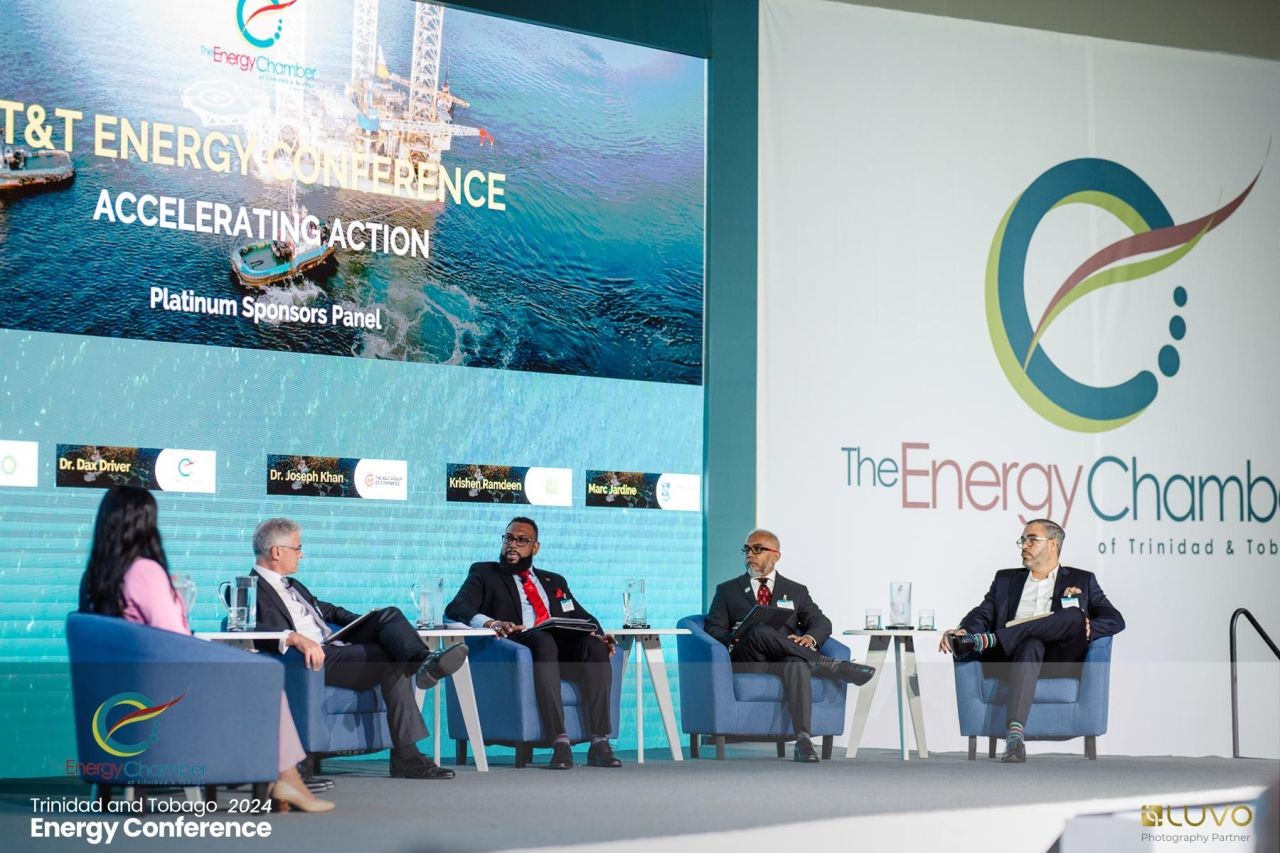
Trinidad and Tobago Energy Conference & Tradeshow 2024
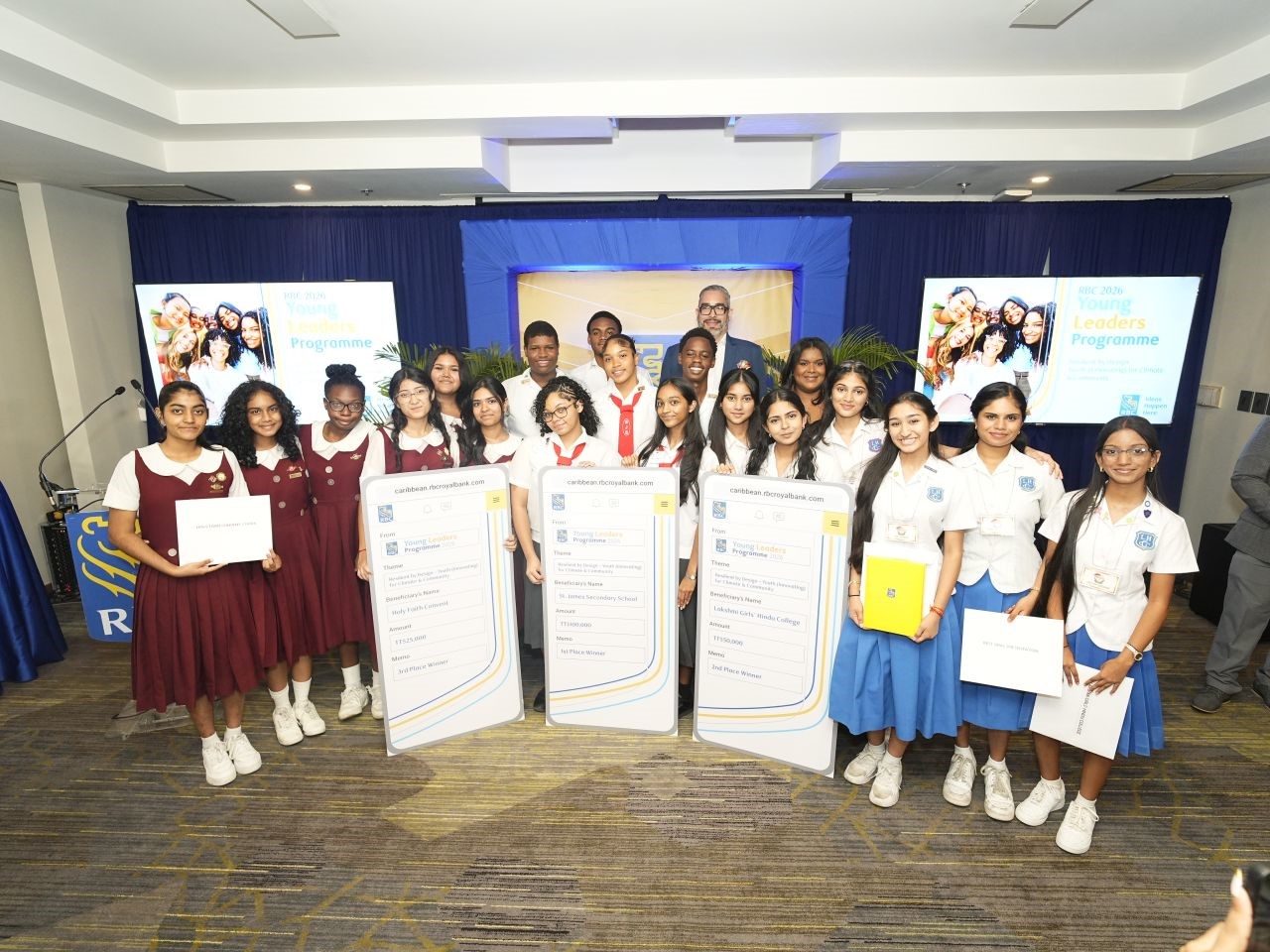
With winners of RBC Young Leaders Programme 2026
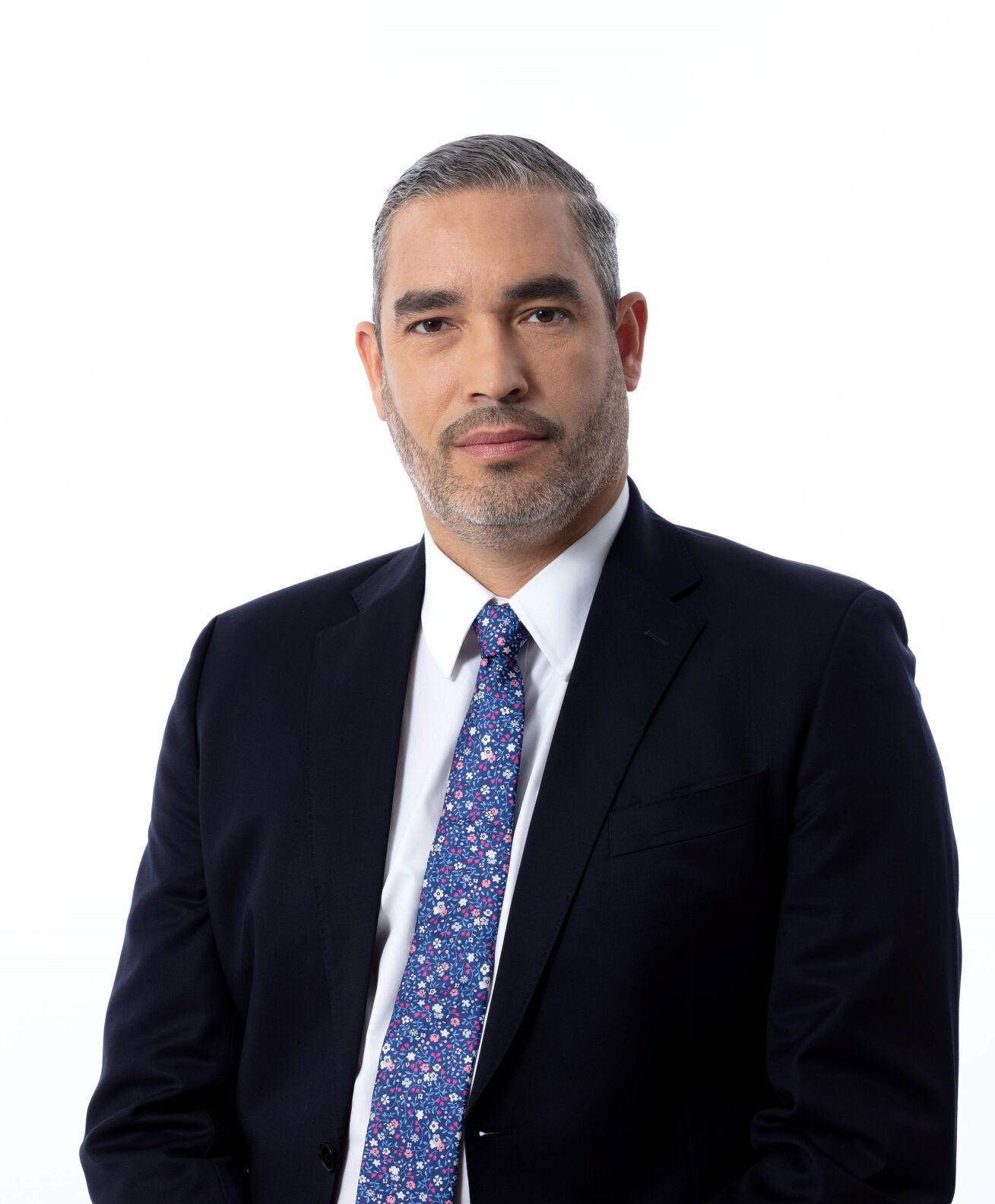
Marc Jardine (Class of 1994/95) was appointed Managing Director of RBC Royal Bank (Trinidad & Tobago) Limited in September 2024. He has served on the FOBA Management Committee in various capacities.
Marc first joined RBC in 2004 as a Risk Manager at RBC Merchant Bank. In 2017, he continued his career outside the Bank at Blue Waters, and rejoined RBC in 2020 as VP Corporate Banking, Government Business. He has more than 20 years of financial services experience and is a seasoned corporate banking executive who has held several senior roles in Corporate Finance, Risk Management, Origination, and Financial Analysis, both locally and internationally.
As an avid supporter of sustainability and community initiatives focusing on making the environment healthier for everyone, Jardine also heads the Caribbean Bank’s Environmental, Social and Governance (ESG) committee. Additionally, he serves as President of the Staff Charitable Foundation of Trinidad & Tobago, where he leads a team of RBC employee volunteers who support colleagues and communities in difficult situations.
Q: Why did you select Fatima?
Because I did not want to go to St. Mary’s.
Q: How was your experience at Fatima (pleasant and/or unpleasant; worst mischief, etc)?
I had the time of my life. As for the worst experience—no comment. Best experience? There are so many. Fatima didn’t just educate me—it built me. You grew up in that space. Some of those boys became family. The friendships you built along the way—you carry those with you for life.
Q: What sports, if any, did you participate in at Fatima?
Basketball only—no hockey, no football. Just Basketball.
Q: Who was your favourite teacher(s) and which teacher(s) did you give the most trouble?
My favourite teacher was Madam Marianne Hubbard—Geography. A fantastic person and a fantastic influence on so many of the boys she taught. Her contribution to Fatima deserves far more recognition than it has ever received.
As for which teacher I gave the most trouble? I don’t know what you’re talking about. I have a clean record.
Q: Have you been able to maintain friendships with your classmates since school? Any class reunions?
Absolutely, though being a Fatima ole boy doesn’t automatically guarantee it. The friendships that last are the ones built on genuine connection, and I’m grateful to say I still have plenty of those. We have even crashed a few of the other classes’ reunions over the years, but we are actually due to have one of our own this year.
Q: Tell us about your academic path immediately after Fatima and leading up to your joining the banking sector.
I took a year off (as I think most boys transitioning into manhood should) to understand the reality of life outside of academia and just to gather your thoughts. I spent some time in Jamaica, then did my SATs, got a scholarship, and went to Morehouse College in Atlanta to study Finance and Economics. From there…was it all banking? Not at all. I started off in the energy sector doing “offshore well economics” and “fuel oil trading” on the east and southern coastlines. Then I decided to come back home. And from then on, it was banking.
Q: Did the late Richard Downie, who previously held the position of Managing Director, have any role as mentor in preparing you for the position, especially as he was another Fatima alum?
Richard was a respected person, and the fact that another Fatima ole boy held this chair before me was not lost on me. Our relationship was more guidance than formal mentorship, but what he shared was invaluable—a real insider’s perspective on navigating the environment, the internal dynamics, the regulators. He understood the complexities, and he shared them openly.
Q: Reflecting on your career trajectory, what were the lessons you learned in Fatima that have helped you to navigate the challenges and embrace the triumphs along your journey?
Fatima shows you that the most academic people are not necessarily the smartest people. You have to have a centered self to get through the world as an adult. Reading a book does not give you the answer to everything. Having strong friendships and understanding how to value and evaluate your connections is just as useful as being the smartest person in any room.
Q: Who were the teachers at Fatima that inspired those lessons, and what memories of their impact still resonate with you today?
Honestly, I didn’t learn that specific lesson in a classroom per se. But I had a teacher who had a way of challenging you—essentially saying: “If you don’t want to do it, give the space to somebody who does.” And that told me: “I want to do this—just on my own timeline”.
Miss Hubbard pushed me not to fall into, or feed into, the stereotype with which I had been labelled or mislabeled. And Mr. Romero simply told me: “Read a book.” And guess what? He was right—you understand things so much better when you read about them.
Q: Any advice to current Fatima College students interested in stepping into your field?
The field has evolved considerably. My advice would be to approach it through a data analytics lens, and understanding that it is local, Regional and international. Banking is more than transactional, more than interface. It is about data analytics, relationships, positioning—knowing where you fit in a rapidly evolving landscape, and how you as a person can marry the best of those capabilities to achieve what you need.
When you have mastered those areas, you then hire the subject-matter experts—you hire the relationship-oriented people because you can communicate in each of their languages at the right time. You have to be a master of multiple worlds. So don’t just think, “After this, I’m going to get my CFA and that’s my guiding path.” No—I hire CFAs as well as relationship managers. That’s what you have to understand.
Q: What are your short-term and medium-term goals at RBC and by extension, the banking sector?
I don’t really calibrate myself that way. My focus is to ensure the Bank continues to be successful. But for me, real achievement comes from developing people and enabling them to reach what I —and they — believe are their goals. I have reached a point where I can navigate my environment fairly well. Now it’s about empowering, guiding, and supporting others to do the same. I believe in paying it forward.
Q: Tell us about your time serving on the FOBA Management Committee and giving back to Fatima.
I have always had a strong vision for what FOBA could be, and I wanted a voice at the table to help move things in that direction. So, I did what any passionate ole boy would do—I showed up, I got involved, and I brought my people with me. After all, that’s what this association is built on. You come, you support, you contribute.
Over the years I have served in multiple roles on the Board, and my commitment has been real —not only in time but in financial support. There were moments when my vision was not immediately aligned with where things were heading, and I won’t pretend those conversations were always easy. But that’s a healthy organisation—one where people care enough to have the hard conversations, communicate openly, and work as a team toward something bigger than any one person’s view.
I am proud of what we have built together. We have reached some of the highest levels of sponsorship and community coverage we have ever seen, and that belongs to everyone who showed up and did the work.
Q: What do you feel about Fatima, how it’s progressed?
Fatima has progressed beautifully under Father Gregory and the supporting team he has built around him—not only the teachers, but the PSA and the broader school community. We have evolved into a national and Regional powerhouse in boys’ education—academics, sports, everything. It is really a testament to what solid, strong, and deliberate management, communication, and camaraderie can produce. The extracurricular activities—music in its many forms, Sea Scouts, community activities—hands down, they are doing incredibly well.
Q: Favourite sports team(s) and player(s) (local/foreign)?
Basketball. Le Bron James
Q: Tell us about your family (wife, children).
I’ve been married for 16 years. I have two boys—one currently attending Fatima, and the other will be heading there in about four years.
Q: Favourite way to spend spare time? Any hobbies and/or guilty pleasures?
Hiking, fishing, music, and rum.
Q: What are you listening to in your car right now?
Everything. My playlist is very eclectic—and very esoteric. It spans everything, from Dennis Brown to Audioslave to MedzBoss to Black Stalin.
Q: Favourite dessert?
Crème Caramel
Q: Favourite Solo soft drink flavour (if any)?
Banana.
Q: What’s the best compliment/advice you ever received?
“Don’t [mess] it up.” That’s really it — “Marky, you’ve come far, you’re doing well. Don’t mess it up.”
Q: Any bucket list item(s) still to achieve?
To spend an extended period on the Amazon River—on a boat, going down the Amazon.
Q: Biggest pet peeve?
A lack of respect for people’s time. That’s primary.
Q: What does ‘Nitendo Vinces’ mean to you?
To me, it means: charge. Keep charging forward.
Q: Any closing remarks?
People’s perceptions of you will always be skewed—accept that and live.
Jealousy is a reality—accept that and live.